Song Meaning
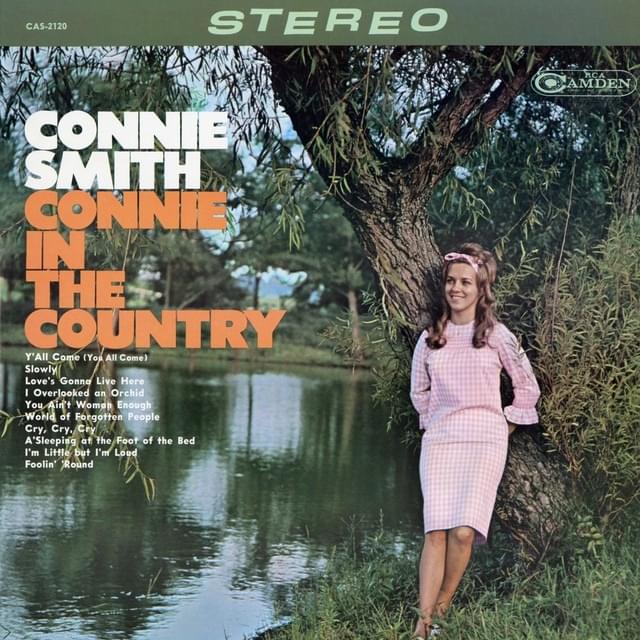
Connie Smith's deceptively simple "Y'All Come" is a masterclass in Southern social satire, a sly commentary disguised as folksy hospitality. The repetitive invitation, "Y'all come to see us when you can," initially sounds like a warm embrace of community, the quintessential open-door policy of rural life. But beneath the surface of this cheerful refrain lies a more complex, and perhaps slightly exasperated, understanding of kinship and obligation. Smith isn't just singing about welcoming neighbors; she's dissecting the unspoken rules and the subtle anxieties that accompany such ingrained social rituals. The lyrics hint at the almost overwhelming nature of these visits: "kinfolks're comin', they're comin' by the dozen, eatin' everything from soup to hay." This isn't just a casual drop-in; it's a full-scale invasion of privacy and resources.
The genius of "Y'All Come" resides in its ability to hold two seemingly contradictory ideas in tension. There's a genuine affection for family and community, a recognition of the importance of these bonds, but also a weary acknowledgement of the burdens they impose. The line about the relatives "not lookin' any thinner" after dinner is a perfectly understated observation, a quiet aside that speaks volumes about the expectations and pressures of Southern hospitality. You're obligated to feed everyone, and they're obligated to eat, creating a cycle of reciprocal obligation that can be both comforting and draining.
And then there's Grandma, silently wishing for help with the dishes, a universal symbol of the matriarchal figure burdened by the endless demands of domestic life. Her implied sigh as everyone leaves encapsulates the bittersweet reality of these gatherings. "Y'All Come" isn't just a song; it's a miniature ethnography of Southern culture, a study of the delicate balance between genuine connection and the sometimes-suffocating weight of tradition. Connie Smith's delivery, with its subtle blend of sweetness and knowing irony, elevates the song beyond simple nostalgia, turning it into a sharp and insightful portrait of a way of life.
 View Artist