Song Meaning
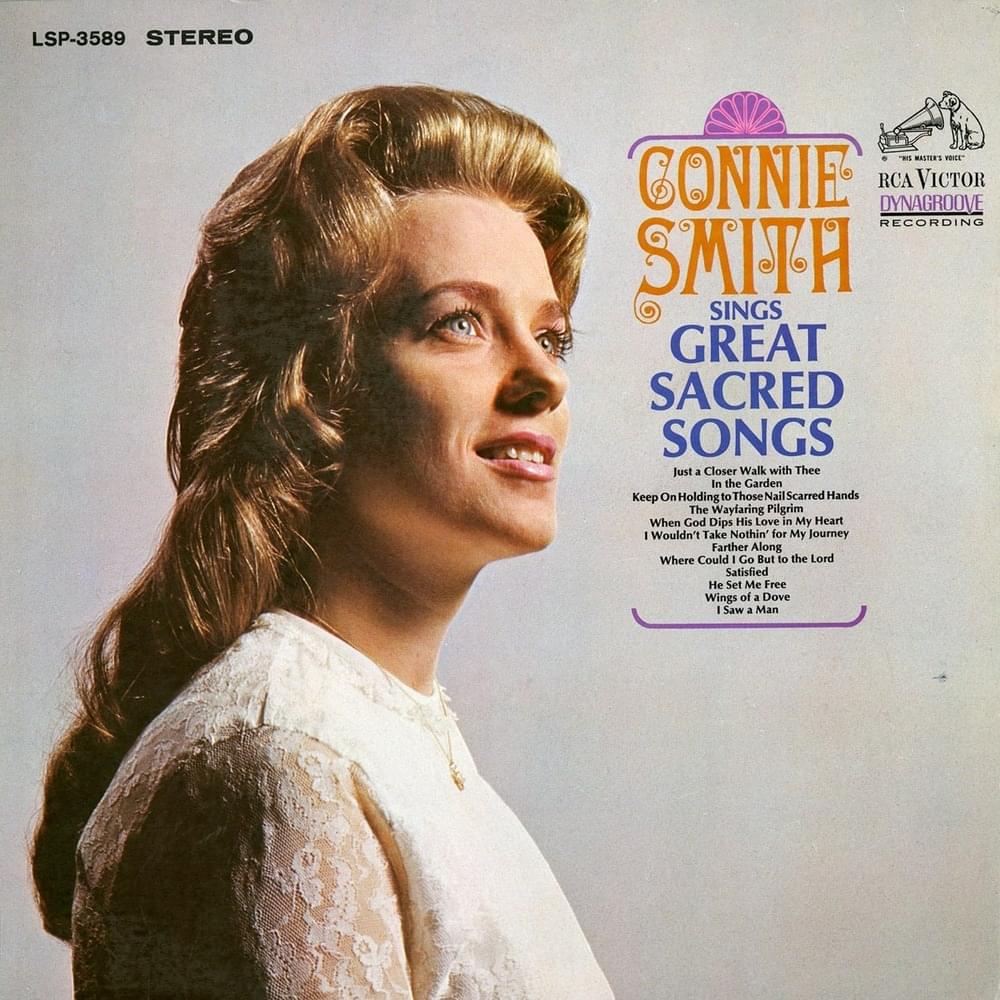
Connie Smith's rendition of "Where Could I Go But to the Lord" isn't just a gospel hymn; it's a stark, existential reckoning dressed in Sunday clothes. The song circles a central, unavoidable question: in the face of life's inherent suffering and ultimate demise, where does one find solace? Smith’s delivery, characteristically pure and unwavering, amplifies the sense of profound searching embedded within the simple lyrics. It's a question posed not from a place of unwavering faith, but from a point of vulnerability—acknowledging the "sinful world" and "temptation sore." The genius lies in the implied doubt, the understanding that earthly comforts are fleeting and insufficient. The "Lord" isn't presented as a simple answer, but as the *only* answer, born of a process of elimination. It's the last refuge, not necessarily the first choice.
The repetition of the question, "Where could I go, oh where could I go," digs deeper than mere piety. It's a raw, almost desperate plea for an alternative. The lyrics acknowledge the presence of earthly joys—"Life here is grand with friends I love so dear"—but these are ultimately overshadowed by the looming specter of death. This contrast highlights the limitations of human connection and worldly pleasures in providing lasting comfort. The song's power resides in its stark simplicity. There's no elaborate theology, no flowery prose, just the bare bones of human need and the haunting recognition of our own mortality.
Ultimately, "Where Could I Go But to the Lord" functions as a musical koan. It doesn't offer easy answers but forces the listener to confront their own vulnerabilities and limited options. The "Lord" becomes a symbol for the ultimate unknown, the final destination when all other paths are exhausted. It's a testament to the enduring power of gospel music to articulate not just faith, but also the anxieties and uncertainties that plague the human condition. Smith's performance transforms a hymn into a powerful meditation on mortality, loneliness, and the search for meaning in a world that often feels devoid of it.
 View Artist