Song Meaning
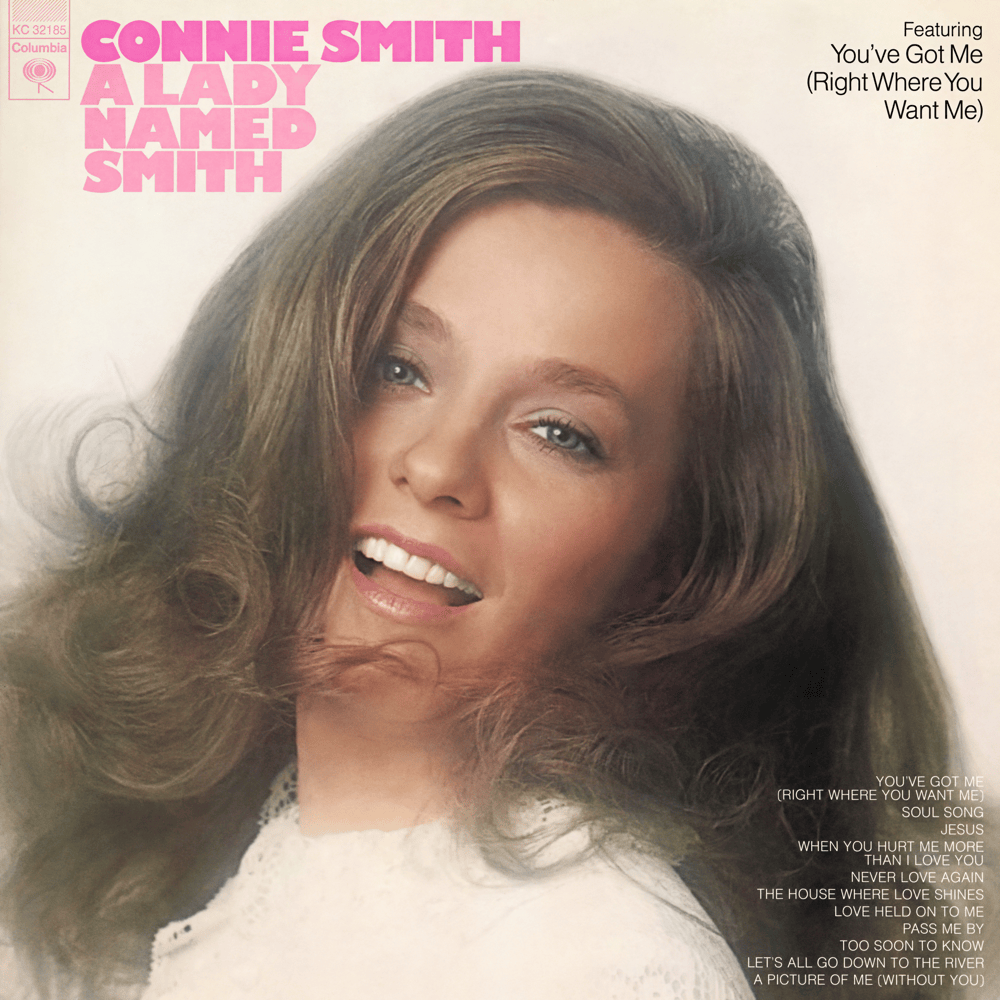
Connie Smith's "When You Hurt Me More Than I Love You" isn't just a country ballad; it's a masterclass in the psychology of heartbreak, sung with the crystalline precision that defines her. The song meaning resides in that razor's edge between devotion and self-preservation. The singer isn't wallowing; she's calculating, almost coldly, the exact point at which the scales will tip. It’s a fascinating study in emotional economics, tracking the fluctuating exchange rate between pain and affection. The core idea hinges on a breaking point—a moment of devastating clarity when the hurt finally outweighs the love, severing the ties that bind. It's not about the *absence* of love, but the *overabundance* of pain that ultimately kills it.
The lyrics speak to a relationship teetering on the brink. The repeated line, "When you hurt me more than I love you," acts as both a threat and a promise. It's a declaration of impending independence, fueled not by anger, but by a weary sense of self-preservation. The singer acknowledges the power this person holds ("this hold you have on me"), yet she's simultaneously plotting her escape. Lines like "You'll pay for every time I've cried / Just as soon as I decide" are not vengeful; they're a quiet assertion of control over her own narrative. She's setting the terms of her departure, reclaiming agency in a situation where she's been repeatedly wounded.
What elevates "When You Hurt Me More Than I Love You" beyond typical heartbreak fare is its understanding of the long, slow burn of emotional attrition. It's the accumulation of hurts, the chipping away at one's capacity to love, that ultimately leads to the decision to leave. The song acknowledges the possibility of a final, decisive blow: "Maybe my next heartache will be the final one / Cause maybe I won't love you when it's done." This isn't dramatic pleading; it's a pragmatic assessment of her own emotional limits. The song's power lies in its unsentimental portrayal of a woman recognizing her breaking point and steeling herself for the inevitable severing of ties.
 View Artist