Song Meaning
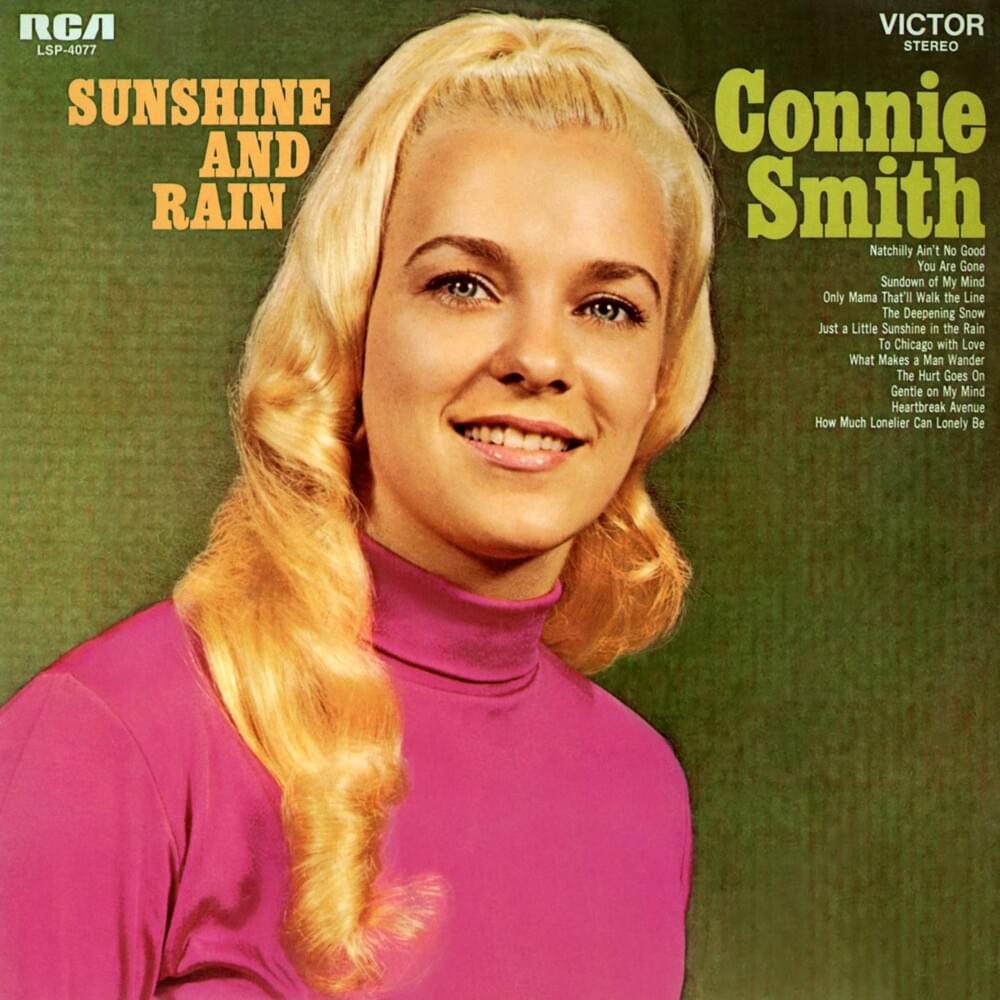
Connie Smith cuts to the quick of a timeless female lament with "What Makes a Man Wander." It's not just heartbreak she's singing about; it's the infuriating paradox of a love that seemingly *should* be enough, yet still fails to anchor a restless spirit. The central question, repeated like a nail being hammered into the listener's skull, isn't a naive plea for fidelity. It's a deeper, more existential inquiry into the very nature of masculine longing. The lyrics aren't concerned with blame, accusations of infidelity, or even a desire to change him. There is no anger here, only acceptance tinged with confusion.
The brilliance of the song lies in its refusal to provide easy answers. Smith doesn't offer a pat diagnosis of a broken home or a loveless marriage. Instead, the simple repetition of 'Why do you like to roam / If you've got so much love at home' becomes a kind of Zen koan, a riddle wrapped in a plea. The passing reference to 'the whistle of a train' acting upon his brain hints at something primal, a deeply ingrained wanderlust that transcends rational explanation. It’s a siren song, not of other women, but of escape itself.
Ultimately, "What Makes a Man Wander" is about the limits of love's power. It acknowledges that even the most sincere affection cannot always conquer the internal forces that drive a person. The song's power resides not in its narrative, but in its resonant questioning of fundamental human needs that exist outside of relationships. It's a mature, painful acceptance that some voids simply cannot be filled, and some hearts will forever chase a horizon that remains just out of reach. The lyrics analysis reveals that the song's meaning transcends simple heartbreak; it's a meditation on the untamable aspects of the human spirit, and a sad recognition that love isn't always enough to still a wandering soul.
 View Artist