Song Meaning
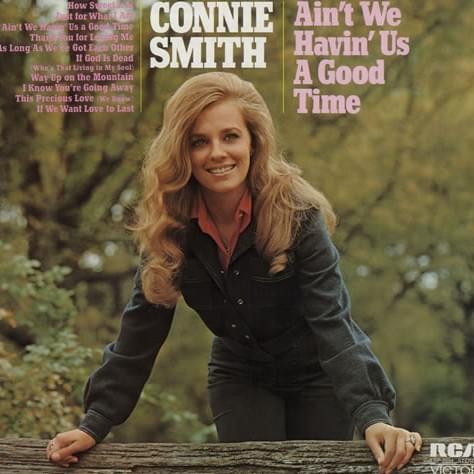
Connie Smith's gospel tune, "Way Up On The Mountain," isn't just a hymn; it's a stark cartography of the soul. The lyrics paint a vivid picture of spiritual rescue, framing the 'valley' as a metaphor for despair and the 'mountain' as a space of divine grace. Smith's delivery, steeped in country tradition, amplifies the emotional core: a journey from isolation to redemption. The song meaning resides not just in the words, but in the implied before-and-after, the chasm between feeling lost and being found. It speaks to anyone who's grappled with adversity and emerged with a renewed sense of hope.
The recurring motif of the valley underscores a psychological state of vulnerability. 'Down in the valley' becomes a shorthand for feeling overwhelmed, unseen, and unheard. The 'feeble cry' suggests a moment of utter helplessness, a breaking point where one seeks external intervention. In contrast, the mountain isn't merely a physical location; it's a state of elevated consciousness, a place of clarity and strength. 'Drinking from the fountain that never will run dry' symbolizes an unending source of spiritual sustenance, a wellspring of resilience.
Smith's lyrics also subtly acknowledge the ever-present threat of spiritual relapse: 'If it don't watch old Satan, he'll get you in the valley.' This isn't a simplistic good-versus-evil narrative. It's a recognition of the internal battles we face, the constant vigilance required to maintain a state of grace. The 'good fight' isn't a singular event; it's a continuous process of self-awareness and resistance against forces that seek to pull us back into the darkness. Ultimately, "Way Up On The Mountain" resonates because it acknowledges the cyclical nature of struggle and the enduring power of faith to guide us back to higher ground.
 View Artist