Song Meaning
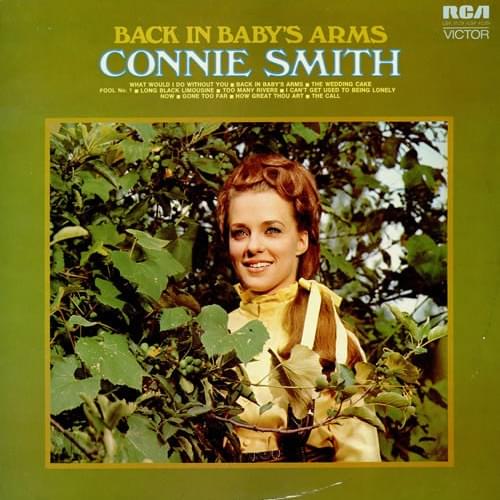
Connie Smith's "Too Many Rivers" is not simply a lament; it's a stark assessment of relational entropy. The central metaphor—rivers as insurmountable obstacles—speaks to the accrued damage and irreversible changes that time and conflict inflict upon a bond. It's not just about distance; it's about the psychic weight of what's transpired, the "too many dreams" drowned in the currents of disappointment. The water imagery suggests cleansing, but here, it signifies erosion, the washing away of any viable foundation for reconciliation. The song meaning resides not in blame, but in acknowledging the impossibility of reversing the flow.
Smith doesn't shy away from shared responsibility. The line about "killing the fruit on the vine" hints at neglect, a mutual failure to nurture the relationship. This isn't a tale of victimhood, but a mature, albeit painful, acceptance of complicity. The "rivers" aren't external forces, but rather the internal consequences of their actions, materialized into tangible barriers. The "long nights" of "turning and tossing" reveal the sleepless anxiety, the restless processing of regret that carves deeper channels between them. It's a kind of self-inflicted exile, where the emotional geography has been irrevocably altered.
What elevates "Too Many Rivers" beyond a standard heartbreak song is its psychological realism. The image of scattered pieces that "you can't find" when trying to "put love back together" is particularly resonant. It speaks to the fragmented nature of memory and the selective reconstruction of the past that often hinders genuine reconciliation. Some hurts are too deep, some losses too profound, to simply piece back together. The song's true power lies in its unflinching portrayal of that reality, the acceptance that sometimes, love simply runs its course, leaving behind a landscape forever divided.
 View Artist