Song Meaning
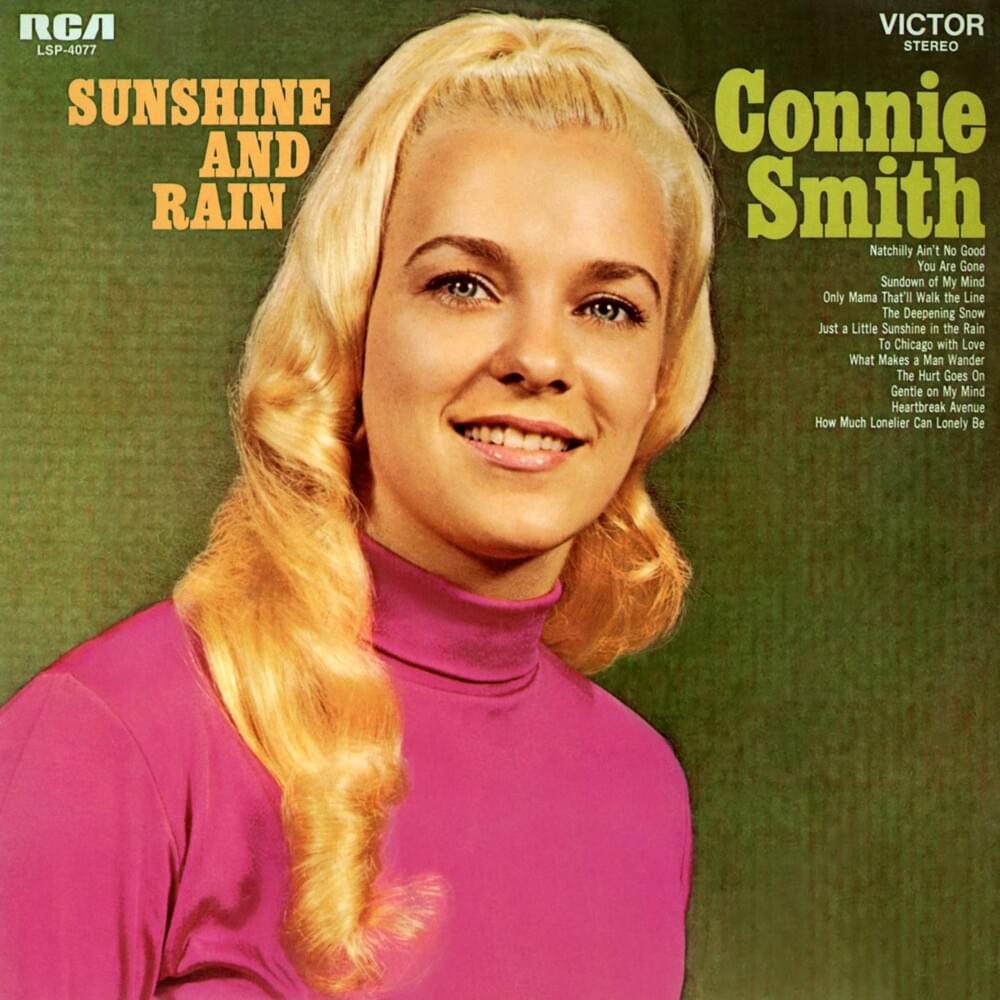
Connie Smith's "To Chicago With Love" is a masterclass in country heartbreak, a slow-burning tragedy delivered with a deceptively gentle touch. The surface narrative is simple: a woman sends her lover off to the big city with hope and a heavy heart, sacrificing her own dreams for his perceived betterment. But beneath the sentimental surface lurks a profound understanding of the gulf between intention and consequence, the quiet desperation of rural lives, and the seductive allure of urban reinvention. The narrator's initial optimism, tinged with a palpable anxiety ("Big city don't hurt him / Don't change him I pray"), quickly curdles into a devastating realization of her own obsolescence in his new life.
The song's power lies in its restrained emotionality. There's no histrionic wailing, no accusatory outburst. Instead, Smith embodies a quiet, almost passive acceptance of her fate. The letter, arriving late and casually dropping the bombshell of a new marriage, is a brutal punctuation mark on her hopes. The line "He keeps sorry he didn't write me before / But he just didn't have a time" speaks volumes about the chasm that has opened between them. His neglect isn't malicious, but born of a newly found indifference fueled by the distractions and opportunities of Chicago.
Ultimately, "To Chicago With Love" isn't just a song about lost love; it's a poignant commentary on the American Dream's dark side. The promise of upward mobility and personal transformation often comes at the cost of severing ties with the past, leaving those left behind grappling with a sense of abandonment and irrelevance. The repeated plea, "Big city don't hurt him," takes on a new, ironic meaning. The city hasn't physically harmed him, but it has irrevocably altered him, rendering him unrecognizable to the woman who loved him. The love she sent with him to Chicago was, in the end, a one-way ticket to her own heartbreak.
 View Artist