Song Meaning
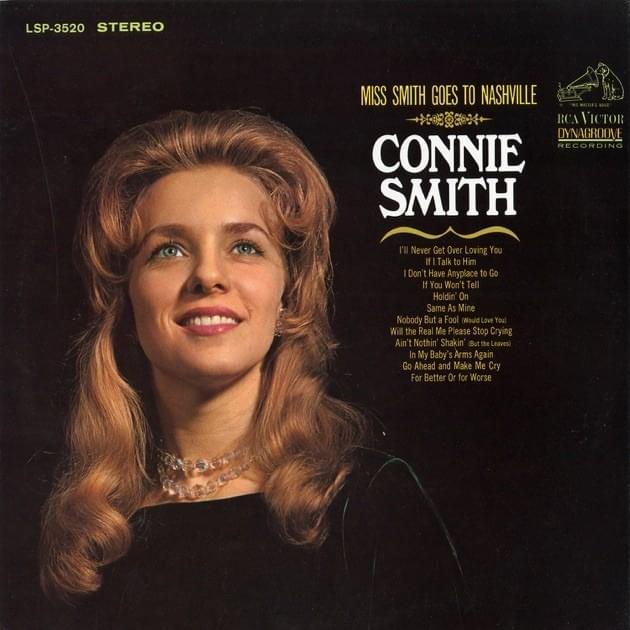
Connie Smith's "Same As Mine" isn't just a tale of mistaken identity; it's a masterclass in country heartbreak viewed through a lens of quiet empathy. The setup is simple: a letter, delivered to the wrong woman due to a shared name, reveals a love affair and impending devastation. But it's Smith's delivery, and the subtle psychological layers within the lyrics, that elevate the song beyond a mere postal mishap. The narrator's reaction isn't anger or jealousy, but a profound sense of pity for the unknown recipient of this brutal news. She understands, perhaps from personal experience, the pain contained within those lines. Her insistence to the postman—"take back this letter…it was opened by mistake"—is less about protecting herself and more about shielding the other woman from the immediate blow. The line, "I read enough to know that someone's heart is gonna break," lays bare the song's emotional core: a recognition of shared vulnerability in the face of romantic betrayal.
The repetition of the phrase "whose name's the same as mine" underscores a sense of connection, however unintentional. It suggests a shared identity, a parallel existence between two women unknowingly bound by fate and a careless lover. This isn't a catfight scenario; it's a somber acknowledgment that heartbreak doesn't discriminate. Even the postman, an unwitting accomplice in this drama, is absolved of blame. The narrator recognizes the commonality of the name as a mere "strange coincidence," further emphasizing the arbitrary nature of suffering. There's a fatalistic acceptance woven into the lyrics, hinting at a world where pain is randomly distributed, and sometimes, all you can do is try to redirect the blow.
Ultimately, "Same As Mine" reveals a uniquely female perspective on infidelity. It's not about possessiveness or revenge, but about a sisterly understanding of the emotional wreckage left behind. The song's power lies in its understated compassion, transforming a simple case of mistaken identity into a poignant meditation on love, loss, and the invisible threads that connect us all. It speaks to the universal fear of being the "other woman," even when you're not, and the quiet dignity of knowing you're not alone in your heartbreak.
 View Artist