Song Meaning
Connie Smith's "My Own Peculiar Way" isn't just another country ballad; it's a raw, almost painfully honest exploration of love's imperfections. The song's core revolves around a central paradox: unwavering affection expressed through a flawed, perhaps even self-sabotaging, persona. Smith isn't singing about idealized romance; she's dissecting the messy reality of loving someone while simultaneously battling inner demons and insecurities. The repeated line, "I'll always love you in my own peculiar way," becomes both a promise and a confession, an acknowledgment that her love might not always conform to expectations. It subtly challenges the listener to accept love in its unconventional forms.
Lyrically, the song acknowledges the narrator's imperfections without offering excuses. Phrases like "Even though I give you cause most every day" and "Sometimes I think that you'd be better off without me" reveal a profound self-awareness. This isn't a plea for forgiveness as much as it is a statement of fact. She recognizes her capacity to inflict pain, yet insists on the authenticity of her love. The line “Though I may not always be the way you'd have me be / Though my faults may grow in number day by day" demonstrates the narrator's fear of inadequacy. This vulnerability makes the song profoundly relatable, tapping into the universal fear of being unworthy of love.
The beauty of "My Own Peculiar Way" lies in its unflinching honesty about the complexities of long-term commitment. It understands that love isn't always sunshine and roses; sometimes, it's a tangled web of contradictions, doubts, and peculiar behaviors. Smith's delivery, characteristically strong yet tinged with vulnerability, amplifies the song's emotional impact. It's a reminder that love, in its truest form, requires accepting a person in their entirety, flaws and all, and perhaps even finding a strange beauty in those imperfections.
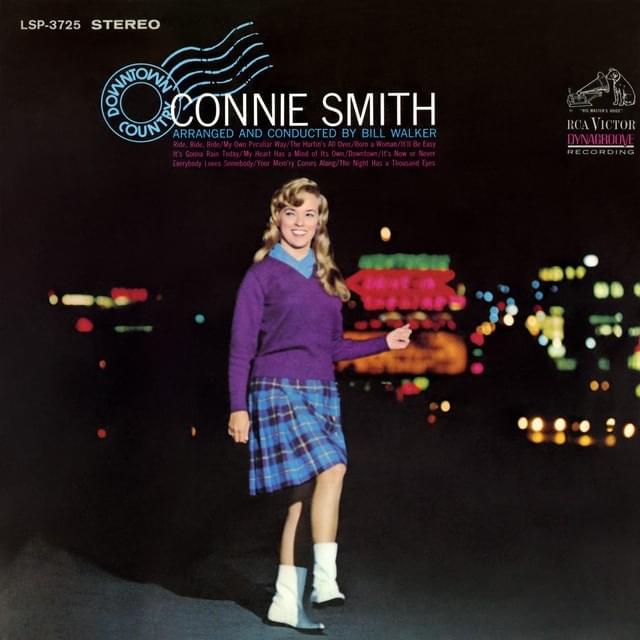
 View Artist