Song Meaning
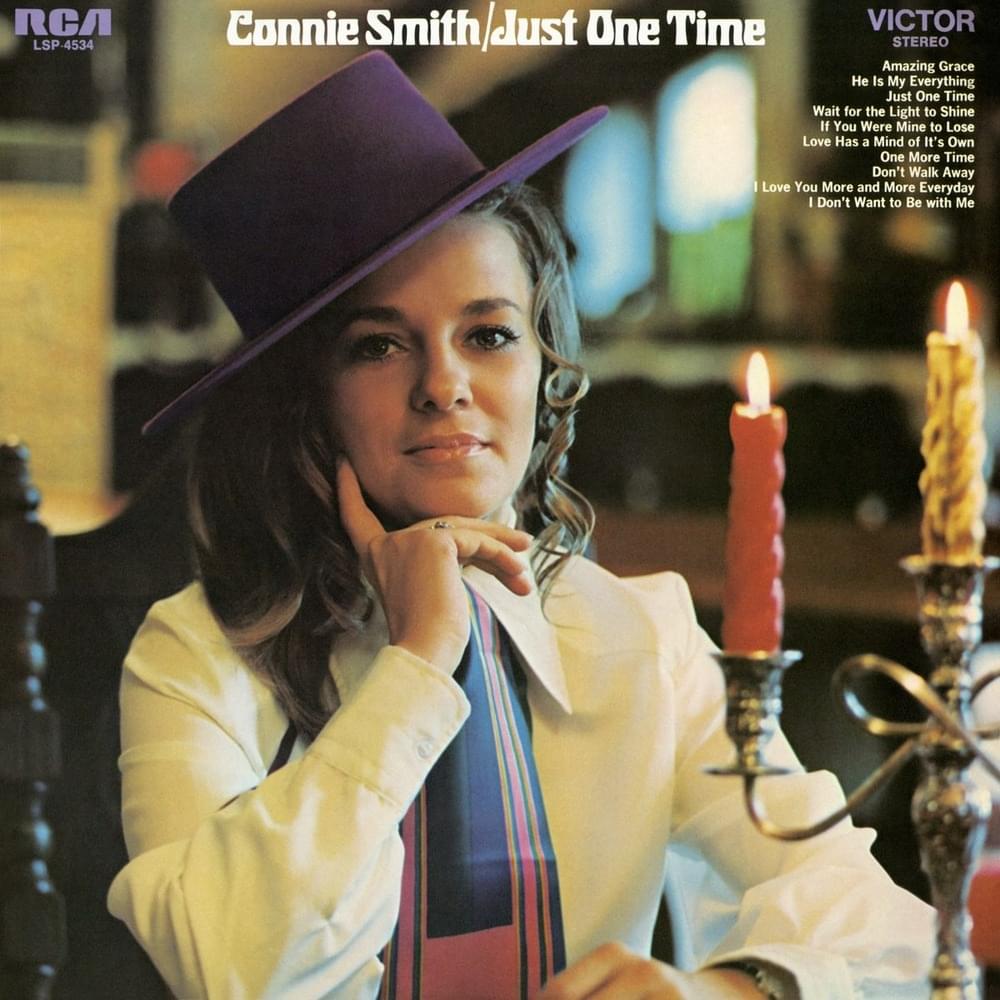
Connie Smith’s "Just One Time" isn’t a song; it’s a masterclass in distilled longing. The very title sets the stage for a relentless pursuit of a past that's agonizingly out of reach. It's not about rekindling a flame, but about grasping at a phantom ember, a fleeting moment of solace in the face of crushing loss. The lyrics are stark in their simplicity, repeating the central plea, "wish I could see you just one time," like a mantra of despair. This repetition isn't lazy songwriting; it's a psychological portrait of obsession, the mind caught in a loop of yearning. Smith's delivery, with its signature blend of vulnerability and controlled power, elevates the track from a simple country ballad to an exploration of grief's disorienting effects.
The song's power lies not just in what is said, but in what remains unsaid. We never learn the reason for the separation, nor the specific joys of the lost relationship. This ambiguity allows the listener to project their own experiences of heartbreak onto the song, making it a universal anthem of regret. The lines "Lips that used to thrill me so they now thrill someone else I know" cut with a particular cruelty. It's not just the loss of intimacy, but the knowledge that someone else is now receiving the affection that was once hers. This is a specific and painful betrayal, one that fuels the desire to rewind time, to "relive just one time," to reclaim what's been irrevocably taken.
"Just One Time" taps into the core human desire for control over the past. It's a fantasy of undoing, of rewriting history to alleviate present pain. The repeated "Oh oh oh how I miss you so..." lines are raw, unadorned cries from the heart, moments where the carefully constructed facade of composure crumbles. The subtle shift to "Oh oh oh how I love you so..." further underscores the depth of the singer's feelings, revealing that the desire to see her lost love is rooted not just in memory, but in enduring affection. The song’s conclusion, a final, desperate wish to see the object of her affection “one more time,” leaves the listener suspended in a state of poignant uncertainty, feeling the weight of unfulfilled desire.
 View Artist