Song Meaning
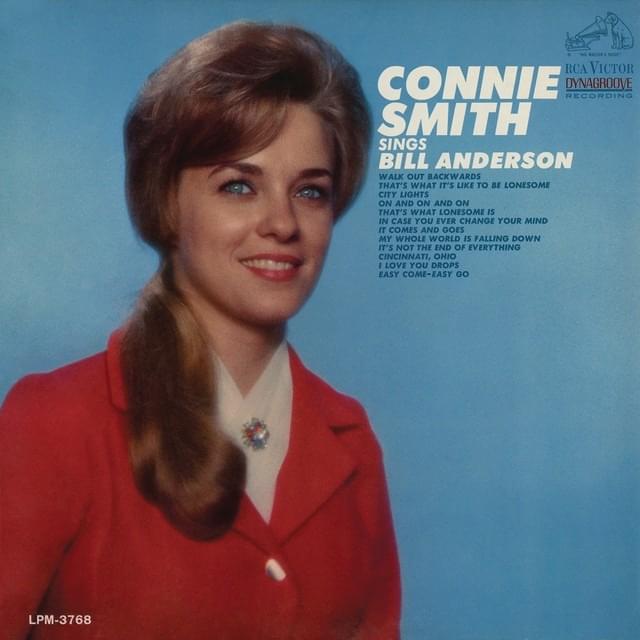
Connie Smith's "I Love You Drops" isn't just a countrypolitan weeper; it's a microscopic study of longing. The genius lies in the central metaphor: tears aren't just sadness, they're distilled expressions of devotion, physical manifestations of an emotional state. The singer isn't wallowing; she's actively loving through her sorrow. The opening lines immediately establish this reframing – "They're not teardrops just sincere drops they're I love you drops and I love you" – a subtle but powerful act of emotional alchemy. The tears aren't a sign of weakness, but proof of the depth of her affection. They're almost sacramental. Smith’s delivery, characteristically precise and emotionally resonant, sells this conceit completely. The "I love you drops I miss you drops hurry home drops you've been gone so long drops" acts as a kind of mantra, each repetition layering on the ache.
The lyrics paint a picture of a woman utterly consumed by absence. The image of tears on her pillow, on the unfinished letter, on the photo she kisses goodnight – these are domestic scenes of quiet desperation. It's the banality of the setting that amplifies the emotional weight. She's not just missing her lover; she's missing the everyday intimacy, the shared rituals that now feel unbearably absent. The phrase "Never lived so many lifetimes in a week" speaks to the way time distorts and stretches when one is grieving a separation. Each day feels like an eternity, each moment a reminder of what's lost.
Ultimately, “I Love You Drops” is a plea, disguised as a lament. The singer isn't just expressing her sorrow; she's actively calling her lover back. The line "Why don't you come back to me the way you said you would / And kiss these little crystals off my cheek" is both vulnerable and assertive. It's a reminder of a broken promise, a gentle accusation, and an invitation to return to intimacy. The "hurry home" refrain underscores this urgency, transforming the song from a passive expression of sadness into an active attempt to bridge the distance between two lovers. The song's meaning resides not just in the sadness, but in the enduring hope that love can conquer absence.
 View Artist