Song Meaning
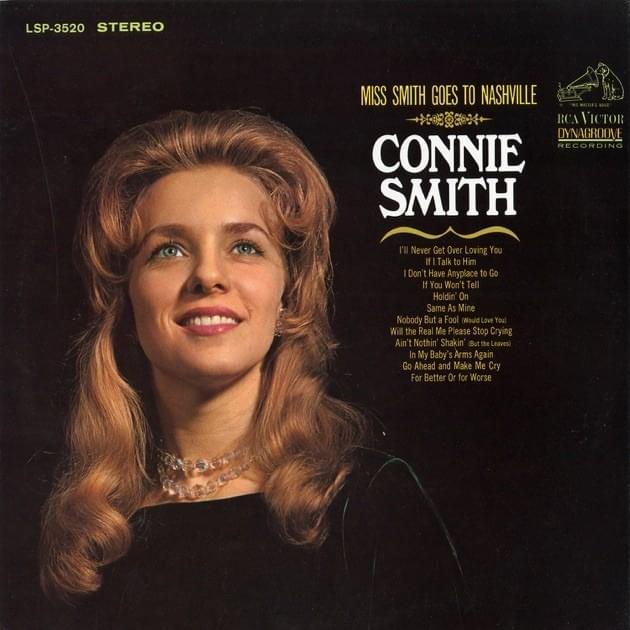
Connie Smith's "Go Ahead And Make Me Cry" isn't just a country lament; it's a masterclass in the psychology of devotion, a stark exploration of love as a form of willing self-sacrifice. The song meaning resides in the paradox of pain willingly embraced, the lover offering themselves up for emotional evisceration. It's a sentiment that runs counter to modern notions of self-preservation, yet resonates deeply with anyone who's experienced the addictive pull of an unbalanced relationship. The core message hinges on the singer's perceived powerlessness and the disturbing comfort she finds in it. She's not simply resigned; she's actively inviting the heartbreak, almost as if the pain is proof of the love's authenticity. It's a twisted validation.
The lyrics themselves are deceptively simple, almost childlike in their directness. "Go ahead and make me cry / Go ahead and make me blue" is not a challenge, but a surrender. The pre-chorus, "Darling I could never change / So why should I complain?" reveals a fatalistic acceptance of her role in this dynamic. She's locked into a pattern, seemingly unable or unwilling to break free. The line "Even though you broke my heart / It's yours to tear apart" showcases the disturbing level of ownership she ascribes to her lover, granting him carte blanche to inflict emotional damage. This isn't about masochism in a crude sense, but rather the complex interplay of love, power, and self-worth.
The chorus, with its stark juxtaposition of "Go ahead and make me live / Go ahead and let me die," elevates the song beyond a mere heartbreak ballad. It becomes an existential statement. The singer is essentially saying that her life, her very existence, is inextricably linked to this person, even if that connection brings her to the brink of destruction. "This is all I have to give" is the ultimate offering, a complete and utter surrender of self. The repetition of "Go ahead and make me cry" at the end reinforces the cyclical nature of this relationship, suggesting an endless loop of pain and devotion. Connie Smith delivers this with such raw emotional honesty that it transcends genre, becoming a haunting exploration of the human heart's capacity for both love and self-destruction.
 View Artist