Song Meaning
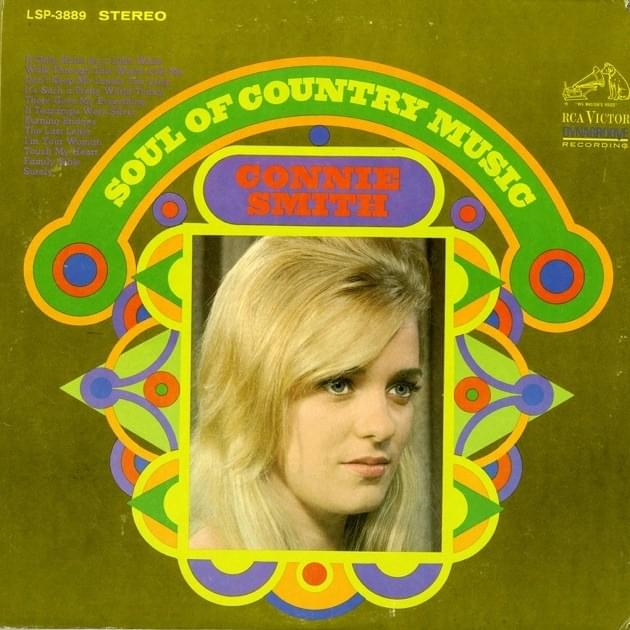
Connie Smith's "Family Bible" isn't just a hymn; it's a sepia-toned snapshot of a bygone America, where faith and family intertwined at the kitchen table. The song meaning resides not merely in religious devotion, but in the ritual itself – the worn pages, the shared reading, the mother's gentle soprano weaving through the verses of "Rock of Ages." It's a Norman Rockwell painting set to music, evoking a sense of communal peace and moral grounding that feels increasingly distant. The family bible lyrics are less about strict doctrine and more about the comforting cadence of tradition. It’s a cultural artifact, hinting at a simpler time, real or imagined.
The genius of "Family Bible" lies in its understated yearning. Smith doesn't preach; she observes. The repeated imagery of the family gathered, the father reading, the mother singing, acts as a powerful emotional anchor. This isn't fire-and-brimstone religion; it's the quiet, persistent faith that permeates daily life. The song subtly suggests that the absence of this ritual leaves a void, a sense of displacement in a world increasingly defined by turmoil. The lyrics softly suggest the idea that if more families were to embrace such rituals, the world would be a better place.
Beneath the surface of nostalgia, however, lies a more complex commentary. The idealized vision of the family unit, with its clear roles and shared values, is inherently a product of its time. The song does not explicitly address any deeper issues, but the listener can consider the lyrics in the context of their own upbringing. "Family Bible" becomes a poignant reminder of what was, what might have been, and what we've collectively lost—or perhaps, chosen to leave behind. It’s a powerful, if bittersweet, reflection on the changing landscape of American family life and the enduring power of shared ritual.
 View Artist