Song Meaning
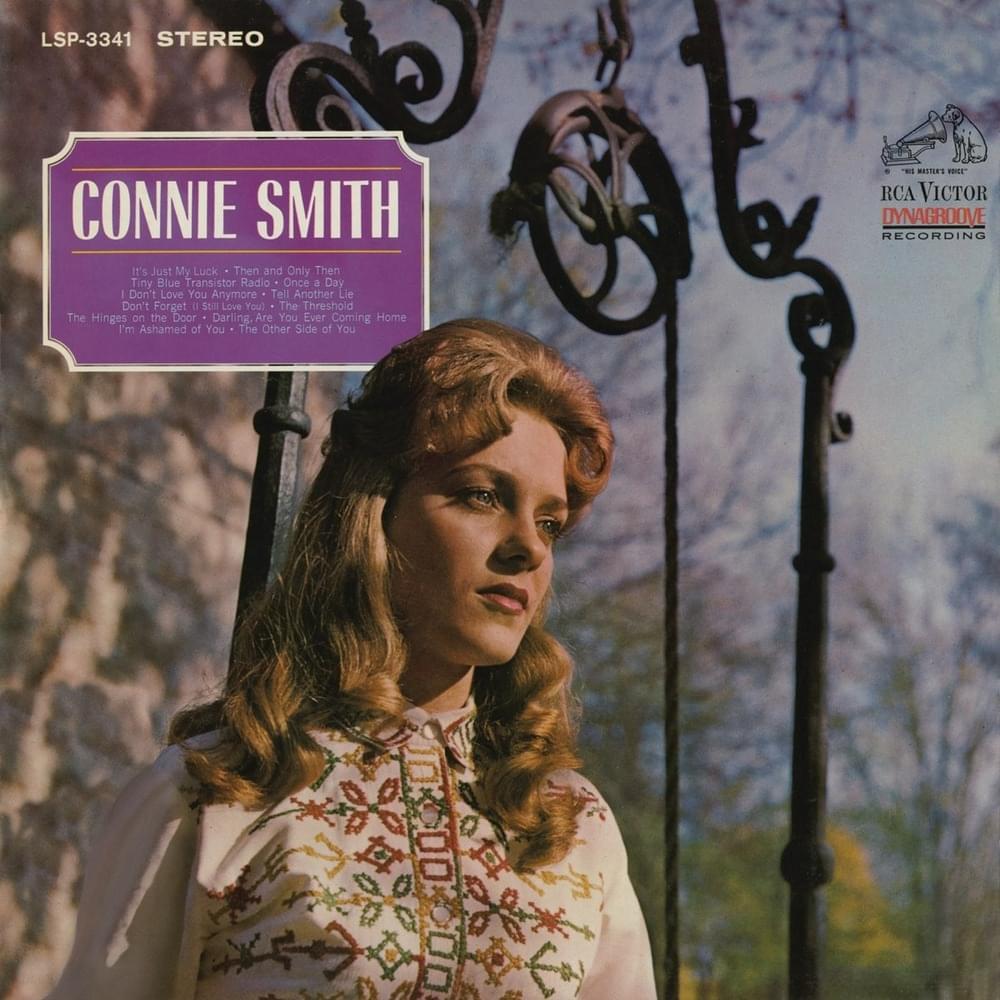
Connie Smith's "Darling Are You Ever Coming Home" isn't just a country lament; it's a masterclass in emotional endurance teetering on the edge of collapse. The repeated question, "Darlin', are you ever comin' home?" becomes less of an inquiry and more of a desperate mantra, a shield against the encroaching reality of abandonment. Smith doesn't explode in anger; she simmers in a chilling blend of love and despair. The surface politeness of "I don't mind this waiting" is quickly undermined by the agonizing wait itself, a performance of normalcy in the face of a gaping wound. The song's brilliance lies in its restraint, hinting at the seismic emotional shifts happening just beneath the surface.
The domestic setting amplifies the heartbreak. It's "twelve o'clock," a symbolic witching hour, when anxieties and fears are heightened. The "cold wind" mirroring the singer's "poor heart" is a classic, effective metaphor, but Smith's delivery elevates it beyond cliché. The casual mention of the children and their heartbreaking question – "Why did Daddy leave us all alone?" – is a brutal gut punch. It's not just about a wife's longing; it's about the disintegration of a family unit, seen through the innocent eyes of children who cannot comprehend their father's absence. The line "I love you much too much to worry 'bout my pride" speaks volumes about the power dynamics at play, and her willingness to sacrifice her dignity for the sake of this love.
Ultimately, "Darling Are You Ever Coming Home" is a study in the psychology of waiting, of clinging to hope when all evidence suggests it's futile. The repeated question transforms from a plea into a quiet accusation, a haunting reminder of broken promises and shattered dreams. The lack of resolution is what makes the song so powerful. There's no grand confrontation, no dramatic declaration of independence, only the lingering echo of a question that may never be answered. It's a portrait of a woman trapped in a cycle of hope and disappointment, a cycle fueled by a love that may be more destructive than redemptive.
 View Artist