Song Meaning
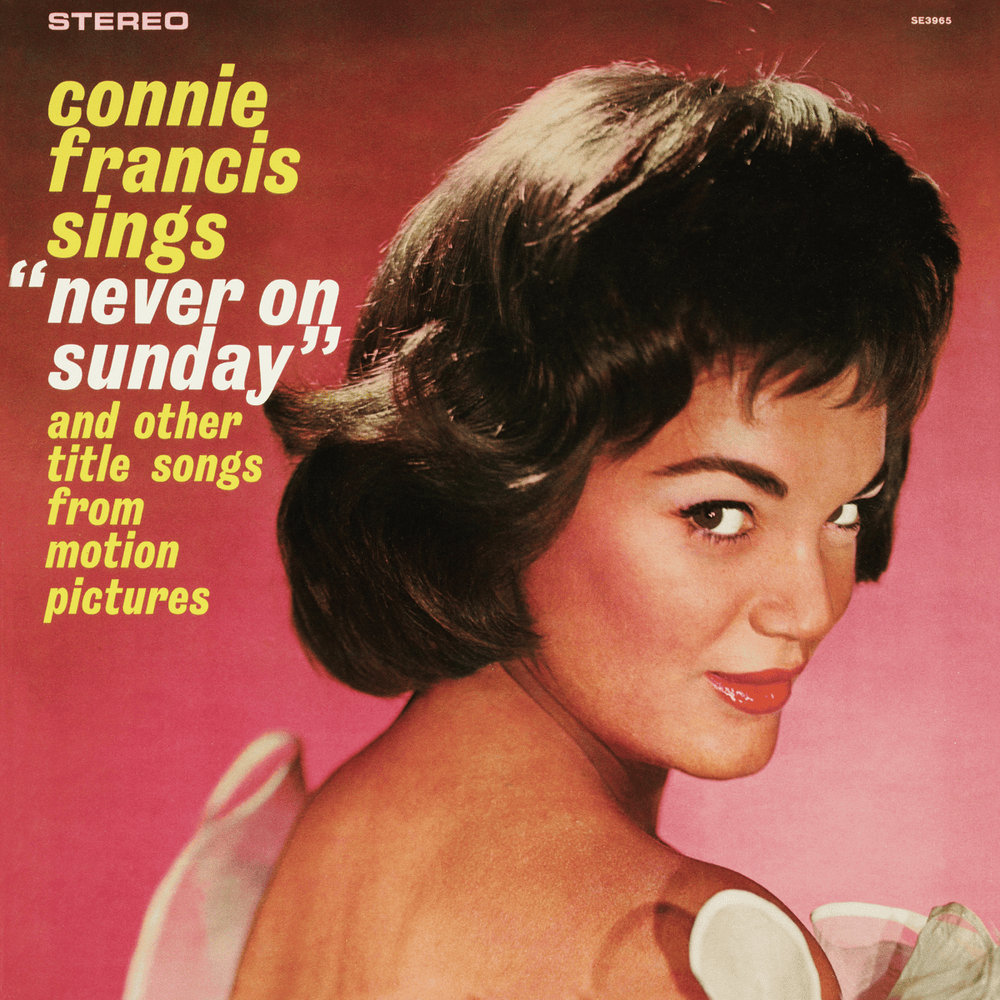
Connie Francis's rendition of "Young At Heart" isn't just a sugary sentiment; it's a deceptively profound meditation on resilience and perspective. The song's surface simplicity—fairy tales coming true, impossible schemes—belies a deeper understanding of how we navigate life's inevitable disappointments. It's not about literal youth, but rather a state of mind, a refusal to become jaded or cynical in the face of hardship. The song suggests that maintaining a youthful spirit, an open heart, allows one to laugh when dreams "fall apart at the seams," transforming potential tragedies into mere setbacks. This emotional elasticity, this capacity for joy amidst chaos, is presented as life's true treasure. The "Young At Heart" lyrics propose that an open mind is not just a pleasant attribute, but a crucial survival mechanism. It allows for reinvention, for seeing opportunity where others see only failure.
Francis's delivery emphasizes the optimistic core of the song, but the underlying message has a certain steeliness. The repeated assertion that "life gets more exciting with each passing day" isn't naive; it's a deliberate choice to seek out novelty and wonder, to actively cultivate a sense of forward momentum. The mention of surviving "to a hundred and five" carries a subtle undercurrent of defiance. It’s not just about longevity; it's about thriving, extracting every last drop of experience from life. The "head start" afforded to the young at heart isn't merely about enthusiasm, but about a fundamental advantage in adapting to an ever-changing world.
Ultimately, Connie Francis's version of "Young At Heart" is an ode to psychological flexibility. It's a reminder that age is less a matter of years than of attitude, and that maintaining a youthful spirit is not just a pleasant affectation, but a vital tool for navigating the complexities and inevitable heartbreaks of existence. The song’s true meaning lies not in denying the hardships of life, but in embracing them with an open heart and a resilient spirit, turning potential defeats into opportunities for growth and reinvention. It's a call to arms against the creeping cynicism of age, a celebration of the enduring power of hope.
 View Artist