Song Meaning
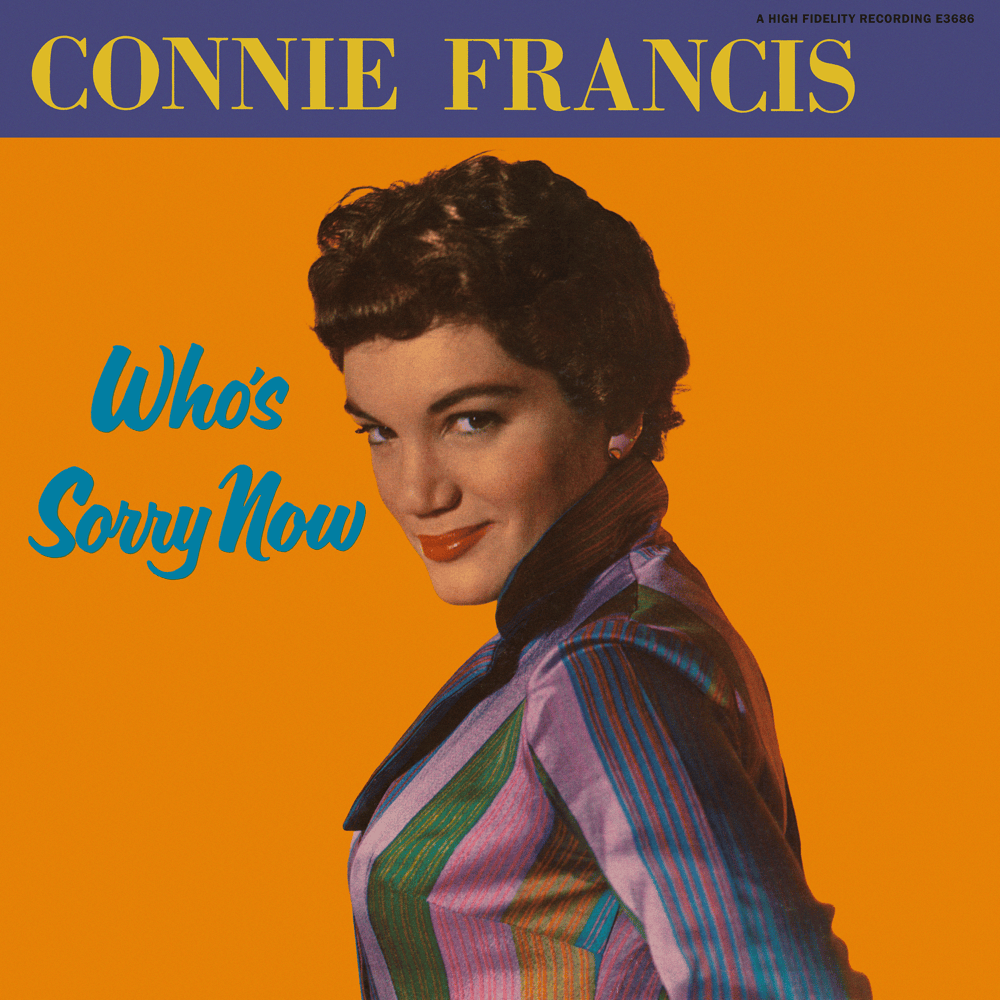
Connie Francis's rendition of "You Always Hurt the Ones You Love" is a stark, if somewhat fatalistic, examination of destructive patterns in intimate relationships. The song's core thesis, delivered with Francis's signature blend of vulnerability and strength, revolves around the paradoxical idea that those closest to us often bear the brunt of our pain. The lyrics are deceptively simple, built on a series of parallel constructions that drive home the central point: we inflict harm on those we cherish most. This isn't framed as an excuse, but rather as a lament, an acknowledgment of a deeply flawed aspect of human nature. The "sweetest rose" and "kindest heart" serve as symbols of the very qualities that make someone vulnerable to our less-than-noble impulses. There's an inherent tragedy in this dynamic, a self-awareness that doesn't necessarily lead to change but provides a framework for understanding the cyclical nature of hurt.
The psychological underpinnings of the song are particularly compelling. Attachment theory suggests that our earliest experiences shape our relational patterns, and the behaviors described in "You Always Hurt the Ones You Love" may stem from unresolved wounds or insecure attachment styles. The act of hurting a loved one can be interpreted as a subconscious attempt to test the boundaries of the relationship, to see if love can withstand the impact of our flaws. It could also be a manifestation of fear – a preemptive strike against potential abandonment or rejection. Francis's delivery hints at this underlying anxiety, a sense of helplessness in the face of these self-sabotaging tendencies. The hasty words "you can't recall" further highlight the impulsive, often unconscious nature of these hurtful acts.
Ultimately, the song's enduring appeal lies in its unflinching honesty. It doesn't offer easy answers or romanticize the complexities of love. Instead, it presents a raw, unvarnished portrait of the ways in which we can unintentionally wound those we hold dear. The final line, "It's because I love you most of all," is not a justification, but a poignant expression of the deep connection that fuels both the pain and the devotion. Connie Francis, through her interpretation, transforms a potentially accusatory sentiment into a somber reflection on the inherent fragility of human relationships and the tangled web of love and hurt.
 View Artist