Song Meaning
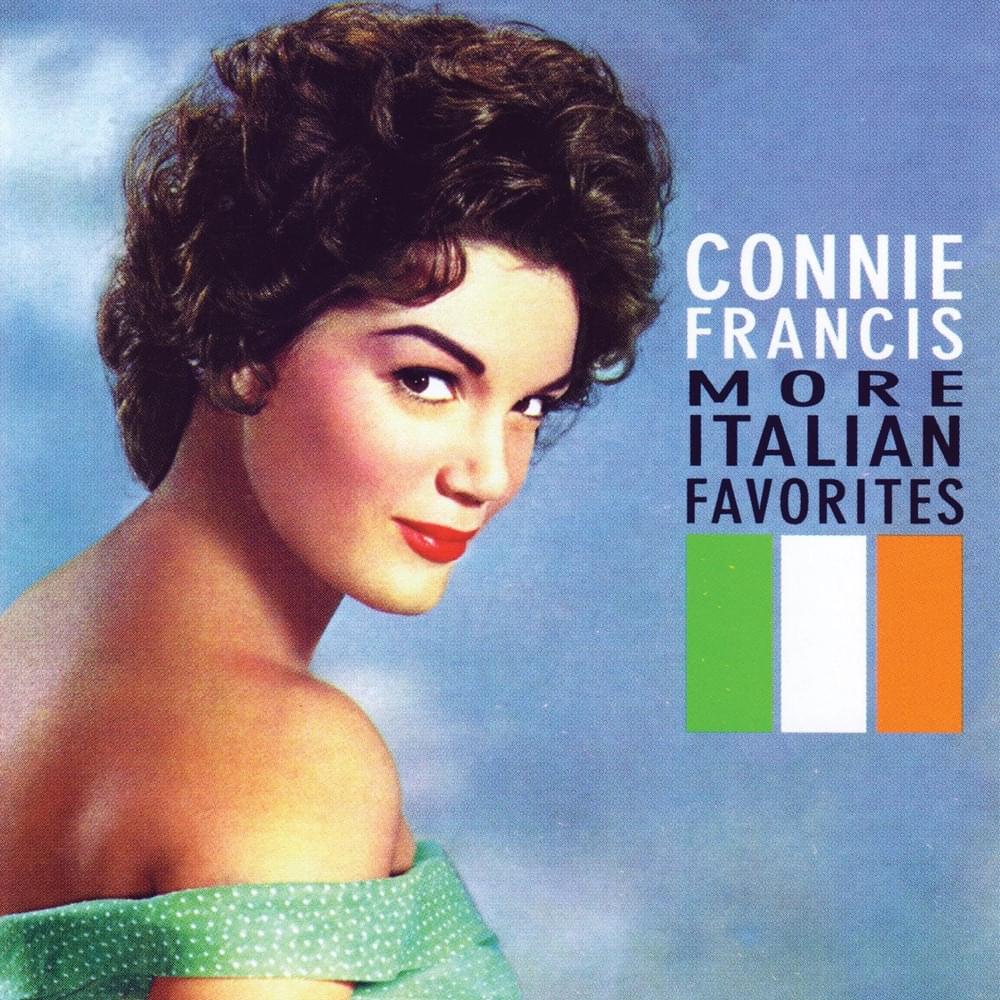
Connie Francis’s "Senza Mamma E Nnaumurata" plunges into the depths of despair, a raw, operatic lament of abandonment and existential loneliness. The song juxtaposes Italian and English, mirroring the singer's fractured emotional state. The opening verses, sung in Neapolitan, paint a picture of a man lost and heartbroken, comparing himself to a stray dog in the street. He's been left by a 'nfama (an infamous woman), and feels so unlucky that he longs for death. The intensity of his pain is palpable, wishing a "botta ô core" (a blow to the heart) upon the woman who betrayed him. This visceral reaction speaks to a cultural intensity of feeling, particularly around love and betrayal, that's often associated with Southern Italian traditions. Francis doesn't shy away from portraying this passionate, almost violent, grief.
The shift to English introduces a more direct, plaintive cry to a lost mother. The lyrics pose fundamental questions about the meaning of life without love or guidance. The repetition of "Why?" underscores the speaker's confusion and desperation, highlighting a yearning for the nurturing presence of a mother figure. The lines "You were my song, my [?], My guiding light" suggest the mother was not only a source of comfort but also of moral compass, someone who taught him right from wrong.
The phrase "Angela mia, how can I go on?" reveals a deeper layer of grief, possibly indicating the mother's name or a term of endearment. The song's title, "Senza Mamma E Nnaumurata" (Without Mother and Lover), encapsulates the dual loss that defines the protagonist's suffering. It's a portrait of complete desolation, where the absence of both maternal love and romantic love leaves a void so profound that the future seems impossible to navigate. The song, in its stark simplicity, becomes a powerful meditation on grief, loss, and the search for meaning in the face of overwhelming sorrow.
 View Artist