Song Meaning
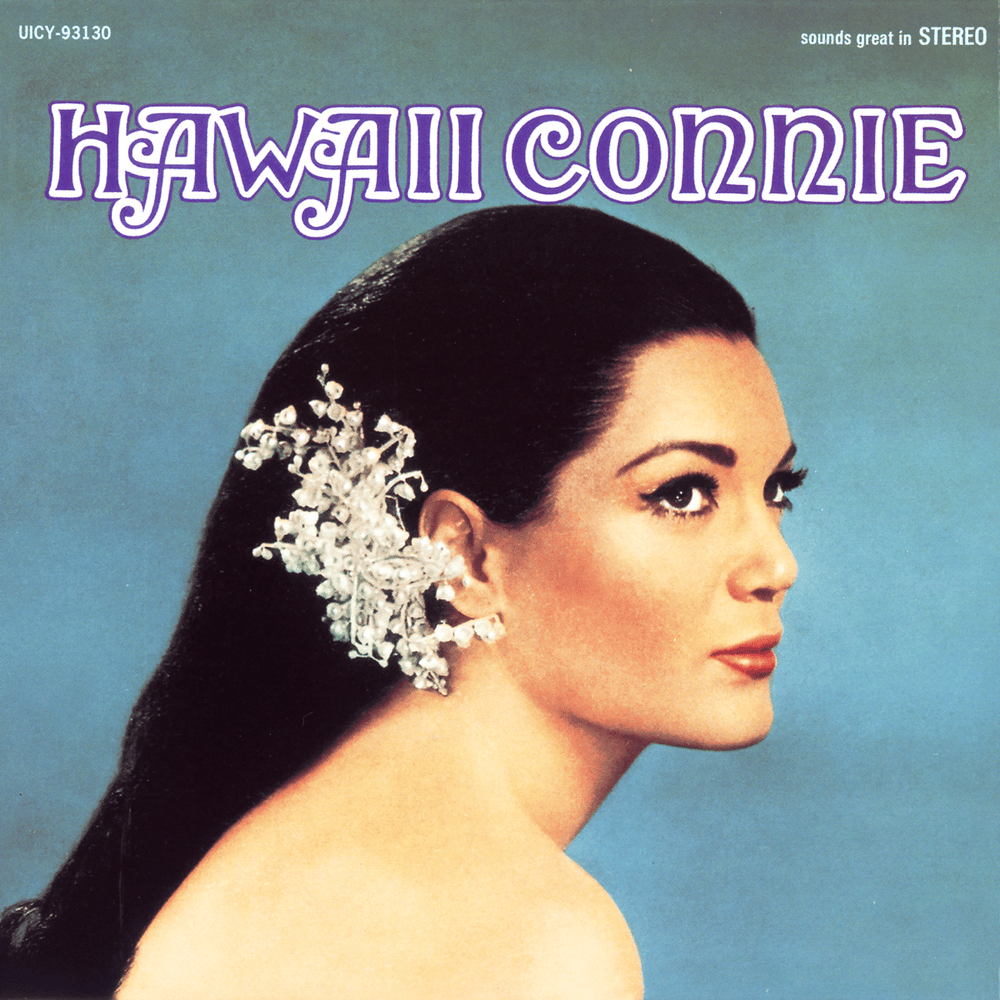
Connie Francis's "Lahaina Luna" isn't just a song; it's a postcard from the subconscious, dipped in the shimmering hues of a Hawaiian fantasy. The repetition of "Lahaina Luna" acts as a hypnotic anchor, pulling the listener into a dreamscape where geographical location blurs with emotional yearning. It's a sonic manifestation of 'Maui no ka oi' – Maui is the best – not just as a statement of fact, but as a desperate personal mantra. The song meaning resides in the idealized escape, a retreat from the mundane into a place where the mountains are eternally green and the seaside offers solace. It’s less about the actual place and more about the emotional space it represents.
The lyrics paint a picture of serenity sought and perhaps never truly found. The repeated assurances of belonging – "That's where you'll find me" – betray a subtle anxiety, a need to constantly reaffirm one's place in this idyllic landscape. The focus on the cyclical nature of the day – moonlight, starlight, sunrise, sunset – suggests a desire for constancy and predictability in a world that often feels chaotic. It's a yearning for a simplified existence, stripped bare of complications and anxieties, where the only task is to observe and absorb the natural beauty.
At its core, "Lahaina Luna" is a song about escapism, but not the carefree kind. It’s the kind born from a deep-seated need for emotional refuge. The simplicity of the lyrics belies a complex longing, a desire to shed the weight of the world and immerse oneself in a place where beauty is not just seen, but felt. The listener becomes a voyeur to Connie Francis's personal paradise, understanding that the true Lahaina Luna is not a place on a map, but a state of mind, a sanctuary built within the heart.
 View Artist