Song Meaning
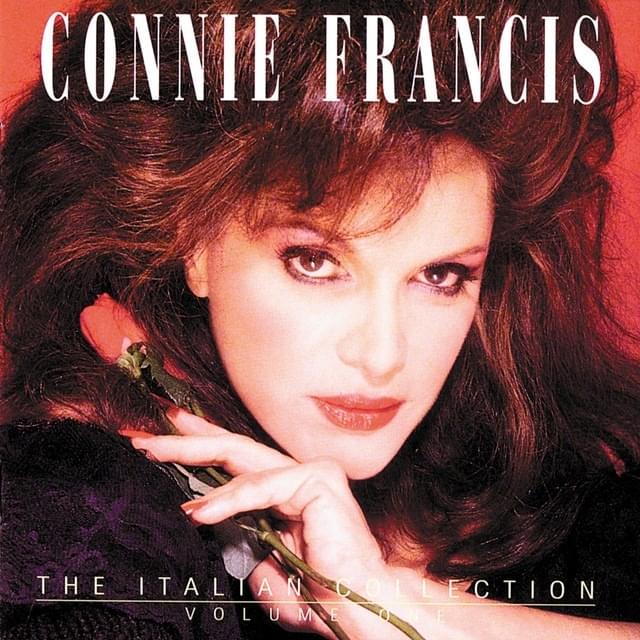
Connie Francis's rendition of "Io Che Non Vivo Senza Te," famously known in English as "You Don't Have to Say You Love Me," isn't just a plea; it's a raw, operatic excavation of codependency. The song meaning hinges on the speaker's abject terror at the prospect of separation. We're dropped into a scene already thick with unspoken tension—"we're here alone, like every evening, but you're sadder, and I know why." This isn't a sudden revelation, but a creeping dread confirmed. The lyrics drip with the anxiety of someone sensing their control slipping, their lover poised to leave. The singer's world is about to implode. The emotional stakes are brutally high from the outset.
The core of the song resides in the repeated, almost desperate assertion, "Io che non vivo più di un'ora senza te"—I who cannot live more than an hour without you. It's a statement of utter reliance, bordering on obsession. The question, "How can I live a lifetime without you?" isn't rhetorical; it's a genuine expression of existential fear. The repeated phrase "Sei mia" (You are mine) underscores the possessiveness and the inherent imbalance of power in the relationship. It's not about love as a shared experience, but love as ownership, a desperate attempt to solidify a bond that's clearly fracturing. This is not a healthy love song; it's a portrait of emotional dependence.
Francis's delivery amplifies the song's inherent drama. The almost theatrical intensity in her voice sells the desperation. The beauty of the melody, combined with the stark vulnerability of the lyrics, creates a paradox. The listener is drawn in by the soaring vocals, but simultaneously confronted with the unsettling reality of a love built on need rather than genuine connection. The song's impact lies in its unflinching portrayal of the dark side of love, the crippling fear of abandonment that can drive someone to cling to a relationship at all costs. It's a complex, and perhaps uncomfortable, exploration of the human psyche under duress.
 View Artist