Song Meaning
Connie Francis's "Blue Hawaii" isn't just a postcard; it's a meticulously crafted fantasy of escape and romantic projection. The song dives headfirst into the psychology of idealized love, where a specific place—in this case, a romantically charged vision of Hawaii—becomes inextricably linked with the promise of perfect connection. The very repetition of "Blue Hawaii" acts as a hypnotic suggestion, lulling the listener into a state of receptive longing. It’s less about the actual location and more about the emotional blank canvas it provides. The lyrics paint a picture of a paradise where dreams, specifically romantic ones, are not only possible but practically guaranteed. It reflects our human tendency to project our desires and hopes onto external settings, believing that a change of scenery can somehow rewrite our internal narratives.
The song's simplicity is its strength, mirroring the uncomplicated nature of idealized love. Phrases like "heavenly" and "heaven to me" avoid nuance, instead opting for broad, universally understood expressions of adoration. This lack of complexity is deliberate, contributing to the feeling of a dream state. The lyrics suggest a shared vulnerability, a mutual desire to believe in the possibility of a love so perfect it transcends reality. The phrase "the night is so young and so are we" reinforces this theme, highlighting the naive hopefulness that often accompanies new relationships or the *idea* of a new relationship. It’s a testament to the human desire to recapture a sense of youthful optimism and possibility.
Ultimately, "Blue Hawaii" functions as a carefully constructed illusion, a sonic mirage promising fulfillment in a specific time and place. It’s a powerful example of how music can tap into our deepest desires for connection and escape, offering a temporary refuge from the complexities of real-world relationships. The song's enduring appeal lies in its ability to evoke this sense of longing and the tantalizing possibility that, just maybe, dreams really can come true in "Blue Hawaii."
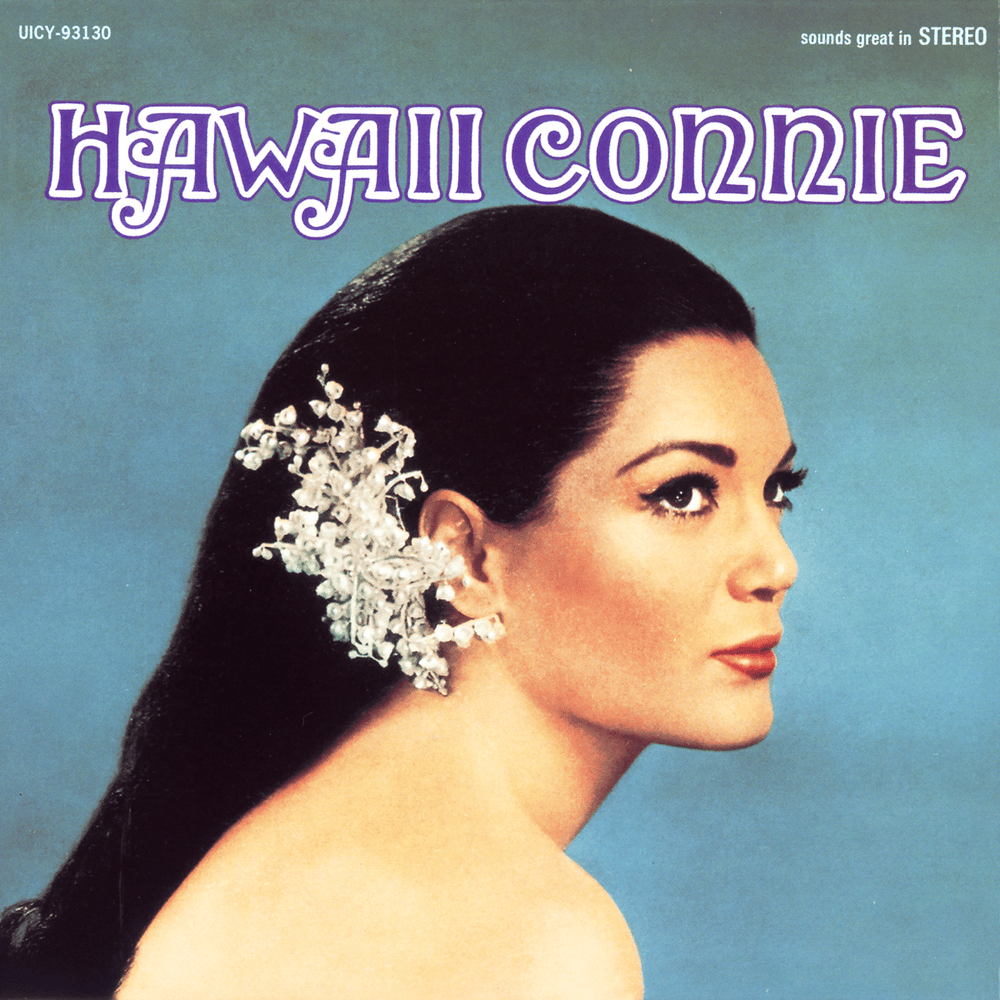
 View Artist