Song Meaning
Connie Francis's "Be Anything (But Be Mine)" isn't just a plea; it's a raw, exposed nerve of romantic desperation masked as unconditional love. The lyrics present a paradox: a lover seemingly willing to accept any facet of their partner's personality or life circumstances, except the one that truly matters – commitment. The repeated line, "Be anything, but, darling, be mine," underscores a deep-seated fear of vulnerability and potential rejection. It's a preemptive strike, a self-protective mechanism disguised as selfless devotion. The song hints at the singer's internal conflict, where she'd rather endure any emotional extreme – "sunshine or my grief," "tender or be cruel" – than face the possibility of a failed possessive love. This is a very specific expression of early 1960s female vulnerability.
The core of the song meaning resides in that central contradiction. The lyrics offer a range of acceptable identities for the object of her affection, from "beggar" to "thief" to "angel of my prayers." These extremes illustrate the breadth of her supposed acceptance. Yet, beneath the surface lies a profound anxiety about control and ownership. The willingness to accept anything "but" being hers suggests a fear of being tied down, of losing individuality within the relationship. It's a classic push-pull dynamic, where the singer simultaneously craves connection and resists the constraints of a committed bond. The song subtly conveys the idea that to truly possess someone is to risk losing them, which is a heartbreaking realization.
Francis's delivery, combined with the lyrical content, paints a portrait of a woman grappling with societal expectations and personal desires. The willingness to accept any flaw, any hardship, so long as it avoids the vulnerability of claiming ownership is a potent expression of romantic anxiety. "Be Anything (But Be Mine)" ultimately explores the complexities of love, the fear of commitment, and the lengths to which one might go to protect themselves from potential heartbreak. It's a song about wanting closeness without the perceived cost of personal freedom, a dilemma that resonates far beyond its era.
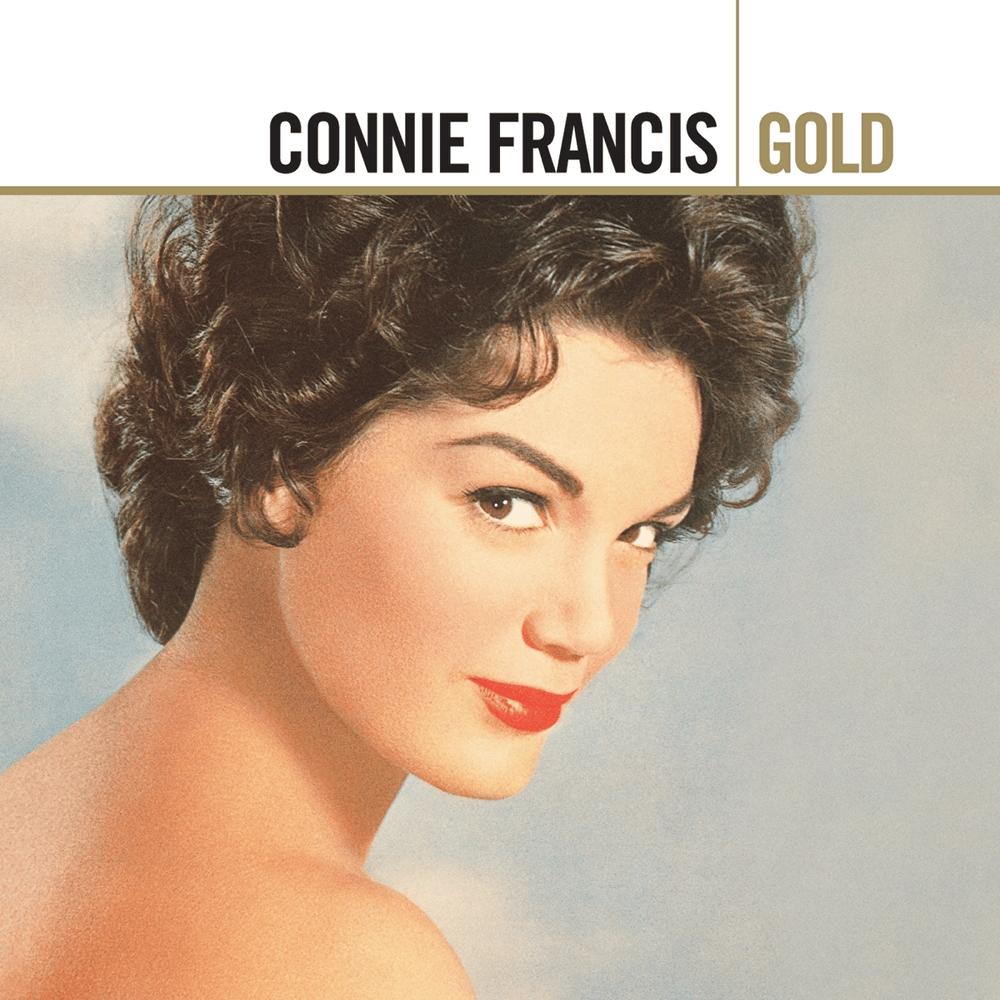
 View Artist