Song Meaning
Connie Francis's rendition of "Auld Lang Syne" isn't just a New Year's Eve staple; it's a melancholic probe into the human condition and our fraught relationship with time. The song, penned by Robert Burns, perpetually asks: can we, *should* we, truly let go of the past? Francis’s delivery, imbued with her signature blend of vulnerability and strength, amplifies the inherent tension between the desire for forward momentum and the undeniable pull of nostalgia. The phrase 'auld lang syne' itself—'old long since'—becomes a poignant symbol of memory's persistence, a bittersweet acknowledgment that our present is inextricably linked to the echoes of yesterday.
What makes "Auld Lang Syne" so universally resonant, particularly in Francis’s interpretation, is its implicit understanding of loss. It's not merely about remembering good times; it's about confronting the inevitable fading of those moments, the recognition that people change, relationships evolve, and life marches relentlessly onward. The simple act of raising 'a cup of kindness' becomes a defiant gesture against this erosion, a conscious effort to preserve the bonds that tether us to our shared history. This speaks to our innate psychological need for continuity, for constructing a coherent narrative of self that extends across time.
Ultimately, the song's enduring power lies in its ambiguity. It doesn't offer easy answers about whether to embrace or reject the past. Instead, it presents a question, wrapped in a melody, inviting each listener to grapple with their own memories, their own losses, and their own hopes for the future. In Francis's hands, "Auld Lang Syne" transcends its traditional context, becoming a timeless meditation on the complexities of human connection and the enduring power of remembrance. It’s a reminder that even as we strive forward, the echoes of 'auld lang syne' continue to shape who we are.
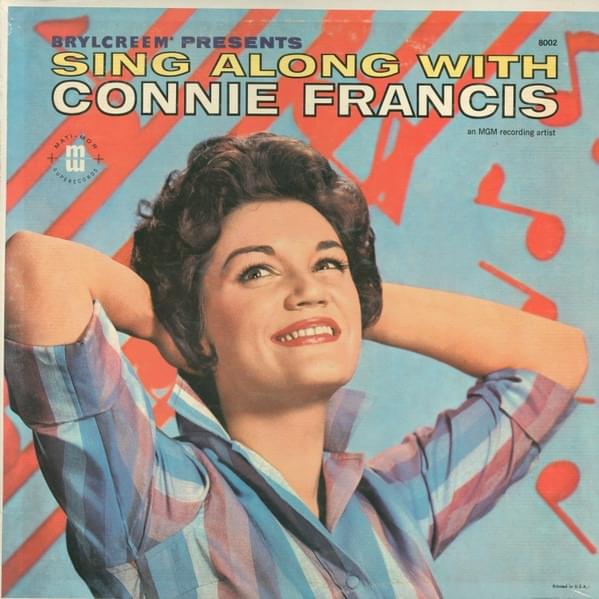
 View Artist