Song Meaning
The lyrics paint a wistful portrait of looking back at a past relationship. The opening lines establish a hazy, dreamlike quality to these recollections, where "memories light the corners of my mind." This isn't a sharp, clear recall, but a softer, more impressionistic view, like "misty water-colored memories." The focus is on the positive remnants, the "smiles we left behind," suggesting a desire to hold onto the good times.
The central tension arises from the narrator's uncertainty about the past's actual nature versus its remembered version. The question, "Can it be that it was all so simple then?" hangs heavy, immediately followed by the doubt, "Or has time re-written every line?" This internal debate highlights the unreliability of memory, especially when tinged with nostalgia. The hypothetical "If we had the chance to do it all again" poses a profound question about regret and the desire for a do-over, though the hesitant "Tell me, would we? Could we?" suggests a deeper, perhaps unacknowledged, complexity or even a reluctance to revisit.
The most striking craft element is the careful selection of what is remembered. The lyrics acknowledge that "What's too painful to remember / We simply choose to forget." This self-awareness about selective memory leads to the poignant conclusion: "So it's the laughter / We will remember." The repetition of "remember" emphasizes this deliberate focus on joy, framing the past not as it truly was, but as the narrator *wants* to remember it – a curated collection of happy moments.
This deliberate curation is what makes the lyrics resonate. By admitting that painful parts are forgotten, the song doesn't present a false, saccharine ideal. Instead, it offers a relatable human tendency to preserve the most cherished aspects of a past love, even if it means smoothing over the rough edges. The final lines, repeating "The way we were," become an anthem for this selective, yet deeply felt, remembrance of happiness.
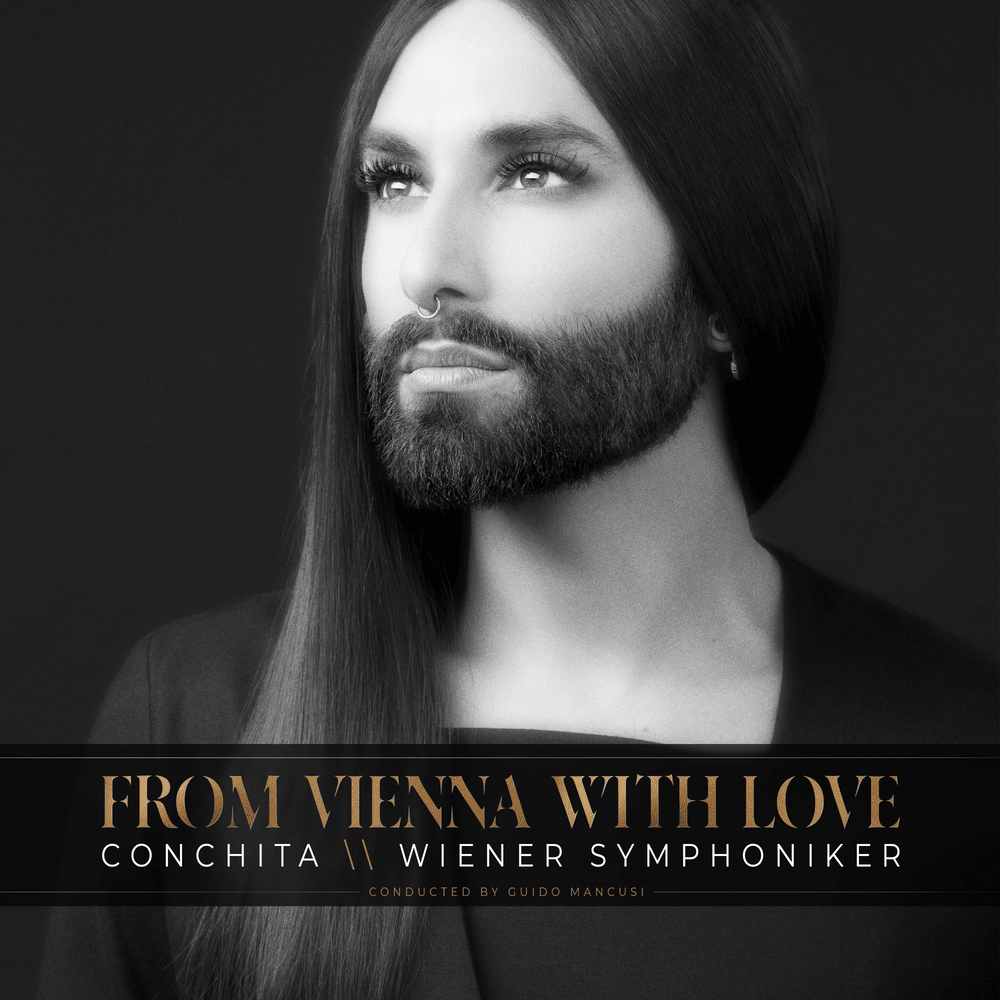
 View Artist