Song Meaning
The lyrics paint a stark picture of a violent struggle, beginning with a decisive "out from the dark" and "no more retreat." This suggests a movement away from oppression or a past state of inaction towards a confrontation. The imagery of a "fiery landscape" and "smoky wasteland" establishes a scene of destruction and conflict, implying that this transition is not peaceful but born from intense struggle. The phrase "cancellation" hints at a definitive end to something, possibly an old order or a previous way of life.
The central tension arises from the justification of violence, "killing for your rights," juxtaposed with the devastating consequences. The narrator grapples with "regaining the sanity" amidst a "blinded existence" and "stigmatizing your own faith," suggesting a loss of moral clarity or a perversion of ideals driving the conflict. This internal dissonance is amplified by the repeated declaration of "war of hate," which frames the entire struggle as fueled by destructive emotions rather than noble aims.
The most striking aspect of the craft is the stark contrast between the aggressive, forward-marching language and the subsequent introspective questioning. After the repeated chorus, the lyrics shift to a reflective "gazing at the sky," asking "why did we end it all." This sudden pivot from action to existential inquiry highlights the futility and self-destructive nature of the "war of hate," turning the initial resolve into a lament for "obliteration."
Ultimately, these lyrics resonate because they capture the tragic paradox of conflict: the pursuit of perceived rights or freedom through destructive means leads not to salvation but to ruin. The cyclical nature of the chorus, followed by the desperate "wonder why," underscores the devastating realization that the fight itself has become the source of destruction, leaving only a "helpless call" and an "exincted cry."
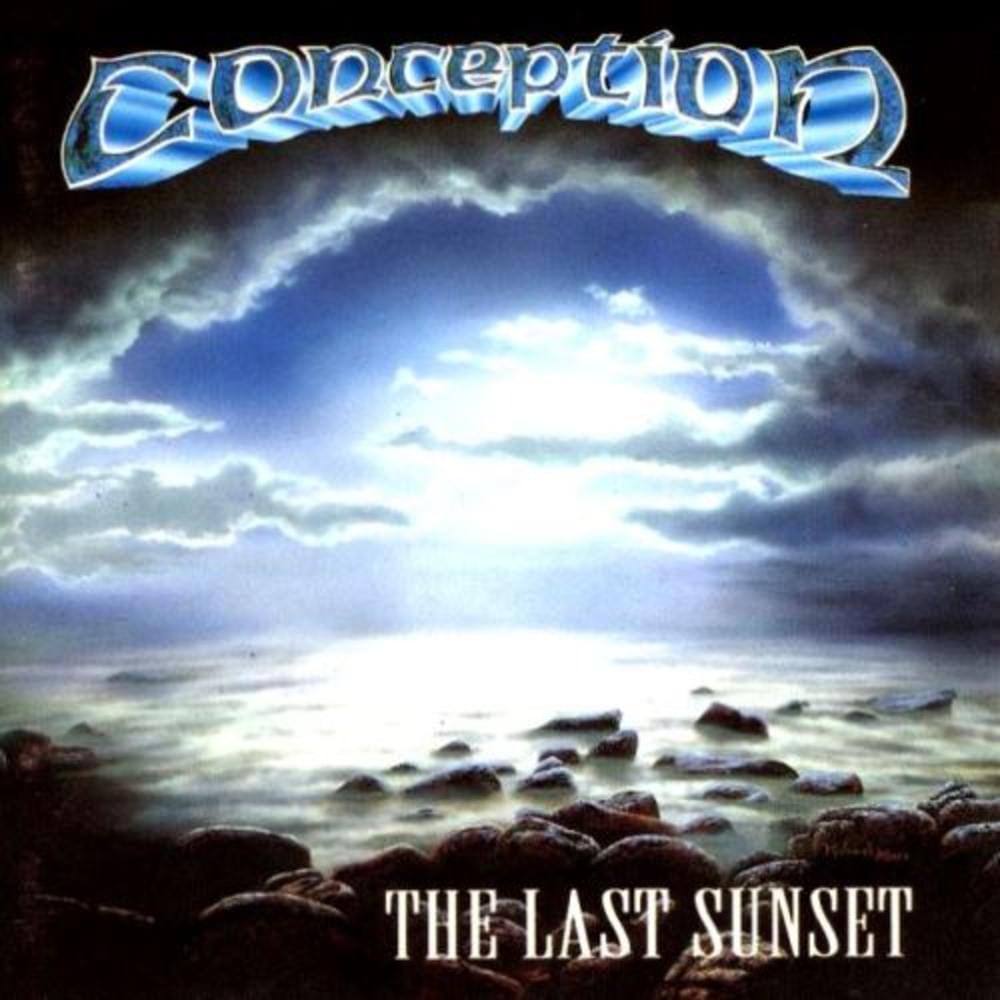
 View Artist