Song Meaning
These lyrics open with a vivid image of past struggle, the speaker recalling how "Nadar, nadar" – swimming, swimming – was their destiny amidst heavy rain. It paints a picture of intense effort just to stay afloat. This sense of being overwhelmed by circumstances sets an immediate, almost weary, tone.
Yet, the narrative quickly shifts from past endurance to present resolve. The speaker declares a refusal to repeat past mistakes, telling friends they won't be caught in another similar situation. There's a clear determination to avoid the "hora fatal," suggesting a proactive stance against impending doom or hardship.
Amidst this personal declaration, the lyrics interweave sharp observations and emotional complexities. A poignant moment of unrequited attention emerges: "Yo la vi, yo la vi / Y ella no me vio." This brief, almost cinematic scene of seeing someone who remains oblivious adds a layer of quiet longing or regret. Later, a striking metaphor appears when the speaker notes, "me pican las arañas" when talking to someone, powerfully conveying a sense of discomfort, irritation, or even danger in conversation.
The collection of vignettes feels like glimpses into a life lived, blending personal resilience with social commentary. The lyrics critique a young woman who wants to be a "niña siendo señora," highlighting a perceived immaturity or inappropriate behavior. The unexpected, almost abrupt, turn to religious commandments at the end – simplified to "La virgen María / Y el hijo de Dios" – offers a grounding, almost philosophical counterpoint to the preceding worldly observations and emotional turbulence, suggesting a return to fundamental beliefs.
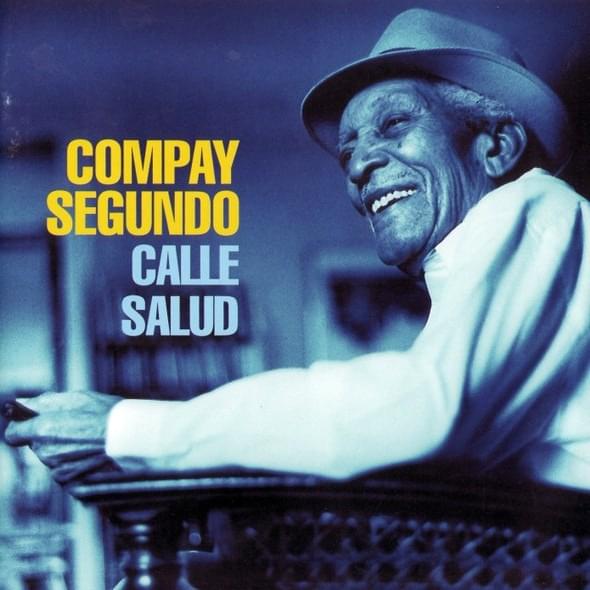
 View Artist