Song Meaning
The lyrics open with a vibrant scene: a musician carrying instruments, ready for a performance. There's a declaration that something "se acabó" – "it's over" – in the mountains of "my Cubita." Yet, this is immediately followed by an exuberant invitation for women, drinks, and "everything." The speaker boasts, "no hay quien goce como yo," asserting an unmatched capacity for enjoyment.
This quick pivot from an ambiguous ending to a defiant call for revelry establishes a core tension. The line "se acabó" hints at a past or present difficulty, perhaps a situation the speaker is actively choosing to transcend. The subsequent verses suggest a deliberate embrace of pleasure and celebration, almost as a counter-narrative to whatever has concluded. It's a powerful assertion of joy in the face of an unspoken finality.
The "calabaza" stanza introduces a striking, almost surreal metaphor. "La calabaza embaraza y en la barriga da pena" paints a picture of a pumpkin causing pregnancy and subsequent pain or shame. However, the twist arrives with "Después que te la comiste, qué calabaza más buena." This suggests a complex relationship with an experience that initially brings difficulty or consequence, yet is ultimately remembered or appreciated as "good" after the fact. The "calabaza" appears to represent a pleasure or experience with a challenging aftermath, which is nonetheless embraced.
The lyrics are effective because they weave together a sense of defiant celebration with a nuanced understanding of consequence. The speaker's unwavering commitment to "gozar" – to enjoy – despite the implied "se acabó" and the metaphorical "pena" of the "calabaza," creates a compelling portrait of resilience. The repeated affirmation "Pa'l monte yo me voy a gozar" anchors this spirit of enjoyment in a specific, almost ritualistic return to the mountains, solidifying the idea that true pleasure can be found even after difficult experiences.
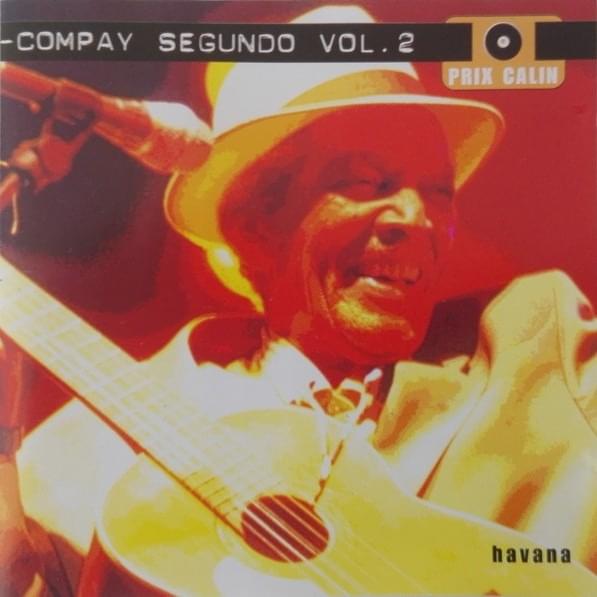
 View Artist