Song Meaning
This track paints a picture of a love that's as unpredictable and demanding as the urban environment it's named after. The opening lines immediately establish a sense of being led, perhaps even astray, with the car parked and a long walk home, suggesting a relationship that requires effort and doesn't offer easy comfort. There's a feeling of being held captive by this affection, a love that 'could never let you go,' yet it also feels transient, like a 'boat raft to the shore,' always arriving but never quite settling.
The core tension lies in the narrator's desperate search for genuine happiness, a stark contrast to the complicated 'city love' they're experiencing. They explicitly state, 'I wanna know what happy is,' and 'I wanna feel it when I fall,' indicating a profound yearning for an emotion that feels absent or elusive in their current situation. This desire is so strong that even a partial understanding or memory of it, 'if I only remember half of this,' is enough to label it 'city love.'
The lyrics cleverly play with the idea of knowledge and confusion, noting, 'The more I learn the less I know.' This paradox seems to fuel the narrator's regret, specifically questioning why they left someone 'all those years ago.' The present moment offers a temporary solace, a focus on the immediate connection: 'At least tonight you're all I know.' This suggests a reliance on the familiar, even if it's flawed, rather than facing the void of past decisions or the uncertainty of future happiness.
Ultimately, the effectiveness of these lyrics stems from their raw portrayal of emotional ambivalence. The narrator is caught between the allure of a familiar, albeit difficult, love and the deep-seated desire for an unexperienced, pure happiness. The repetition of 'City love is what it's called' acts as a resigned acceptance, a label for a complex, perhaps even self-destructive, emotional state that defines their present reality.
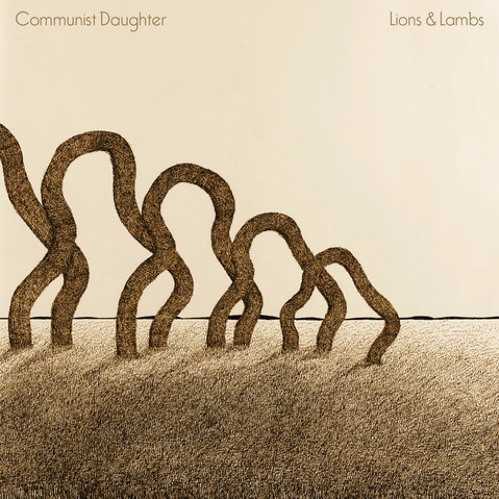
 View Artist