Song Meaning
The lyrics open with a stark, almost cinematic image: "Маяковский видел сон" (Mayakovsky saw a dream). This dreamscape quickly fills with unsettling details – "рис" ripening in a "смутном поле" (vague field) and a "зверь" (beast) growing in a "хищной чаще" (predatory thicket). The proverb "Тише едешь — ярче спишь" (The slower you go, the brighter you sleep) offers a strange, almost ironic comfort before the abrupt, singular declaration: "Самоотвод!" (Recusal!).
This act of recusal feels like a desperate response to an escalating internal conflict. Mayakovsky's dreams shift from passive observation to active flight, "Шаг за шагом наутёк" (step by step, on the run). The narrator's questions – "Кто разбудит на заре? Кто поймает, кто поймёт?" (Who will wake... Who will catch, who will understand?) – underscore a profound sense of isolation and a yearning for connection or rescue that seems unlikely to arrive. All this unfolds "Под нейтральным снегом" (Under neutral snow) and "страхом" (fear), suggesting an indifferent, chilling environment.
The most impactful craft element is the unsettling transformation of Mayakovsky's role and the "neutral" backdrop. He begins by merely "видел сон" (saw a dream), a passive observer. But by the third verse, he "жал курок" (pressed the trigger) and "жёг окурок" (burned a cigarette butt), a jarring shift to violent, crude action. Simultaneously, the "neutral" elements evolve from abstract "небом" (sky) and "знаком" (sign) to the more tangible, yet still detached, "снегом" (snow) and "страхом" (fear), culminating in a "флагом" (flag). This progression suggests a descent from a state of vague detachment into a more concrete, yet still uncommitted, engagement with fear and perhaps ideological pressure.
The lyrics achieve their emotional punch through this blend of surreal, almost hallucinatory imagery and stark, visceral actions. The repeated cry of "Самоотвод!" becomes less a legal term and more a desperate, almost existential withdrawal from a reality that is both predatory and indifferent. The tension between the internal chaos of dreams and violence, and the external "neutral" world, creates a powerful sense of a mind struggling to disengage from an inescapable, unsettling existence. It's a raw, unvarnished portrayal of a speaker attempting to step aside when the world demands participation, even violent participation.
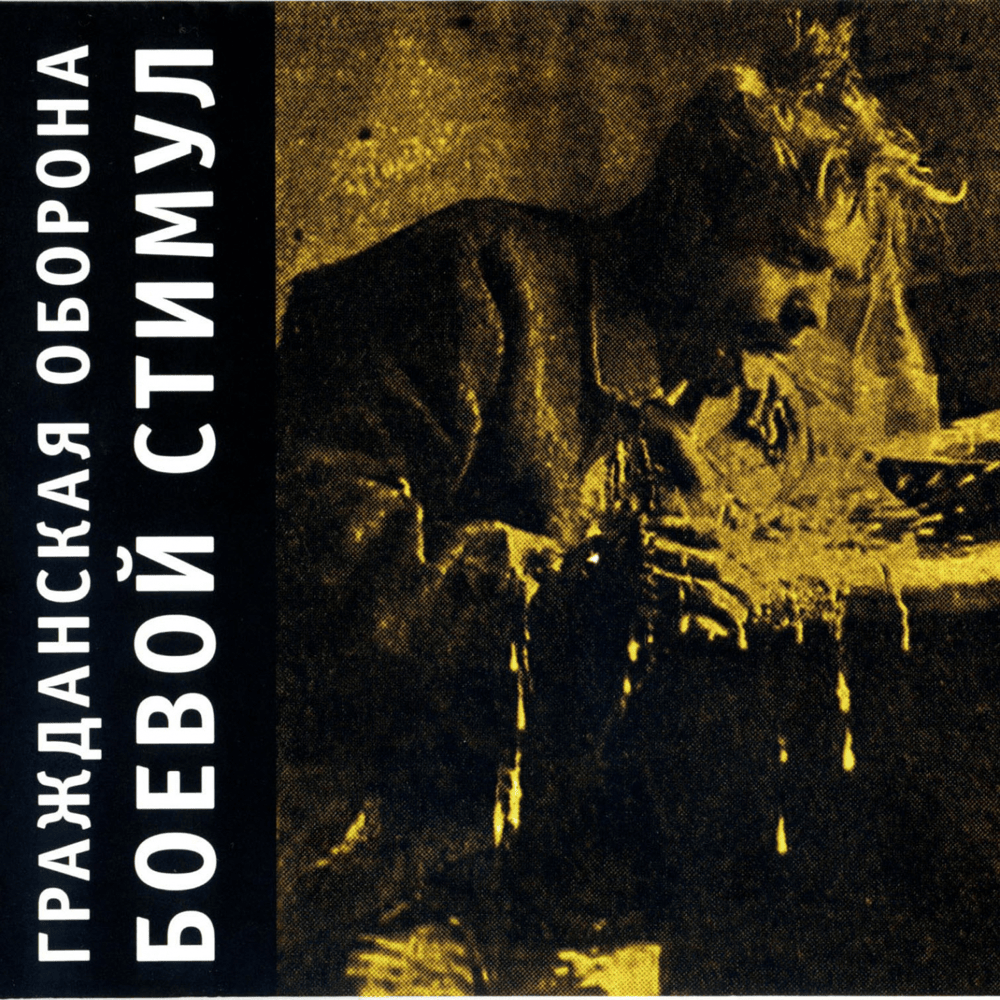
 View Artist