Song Meaning
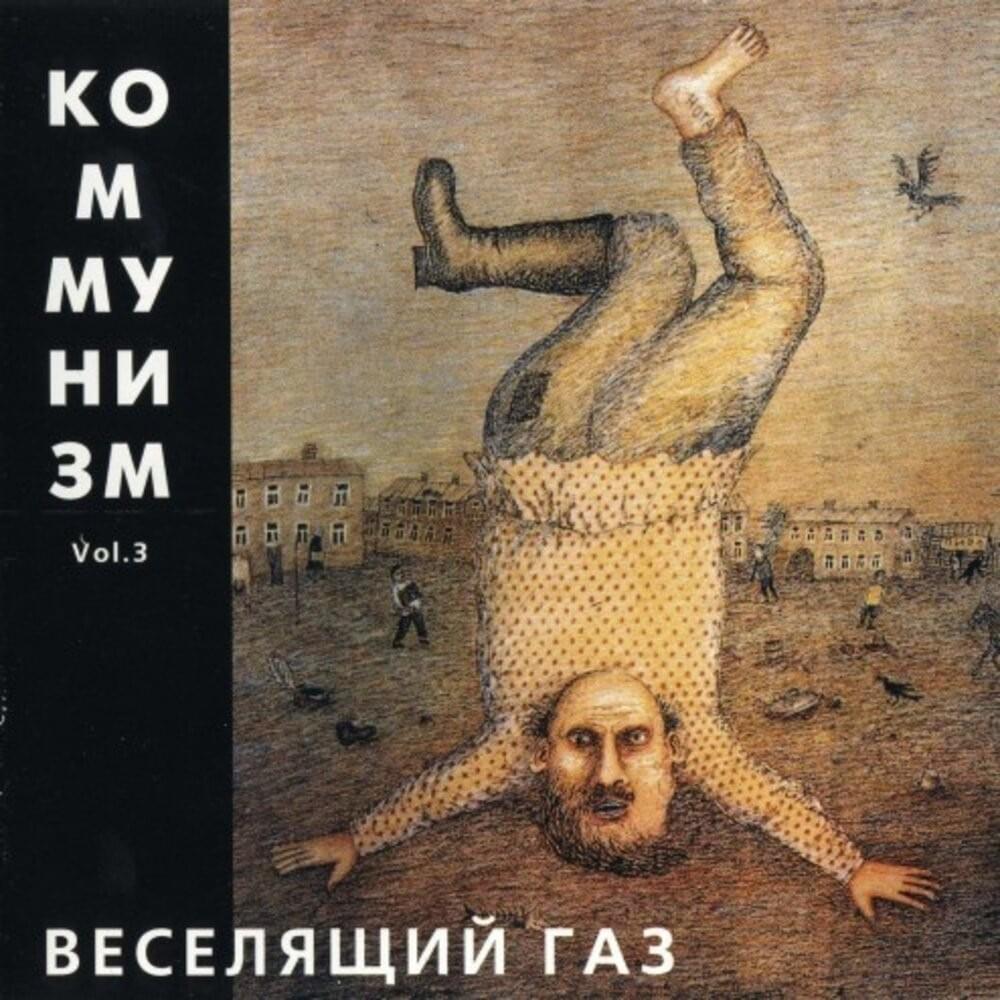
The lyrics paint a disorienting, almost hallucinatory picture of a room, starting with a bizarre tableau: a dog's face on the wall, beneath it the Mona Lisa's face, and next to that, the narrator's own "merry" face. This initial scene sets a tone of unsettling absurdity, where familiar images are distorted and juxtaposed unnaturally. The narrator claims to feel "merry" in this environment, but the subsequent descriptions quickly undermine this assertion, suggesting a forced or delusional cheerfulness.
The core tension arises from the narrator's attempt to assert a state of well-being amidst escalating chaos and self-deconstruction. The line "Merry me in the evening" is followed by a disturbing inversion of body parts and their locations: "Teeth in my mouth, eyes on my forehead / Hair on my head, I am on the white wall." This physical disorientation mirrors a mental unraveling, where the narrator's sense of self and reality begins to fragment. The repetition of the faces and their placement on the wall further blurs the lines between the narrator, the dog, and the Mona Lisa, creating a sense of shared, distorted identity.
The most striking craft element is the deliberate, almost violent, scrambling of sensory and spatial information. The narrator's body parts are re-assigned to absurd locations – "Hair in my mouth, teeth on my forehead / Eyes in my fist" – and the setting itself becomes unstable, with the wall resting on a "white Christ." This linguistic and imagistic breakdown culminates in a series of nonsensical, guttural sounds: "Myste, gliste / Proima, vost, lak, eysa, shrak!" This descent into pure sound, particularly the repeated "Shrak!" at the end, suggests a complete loss of coherent thought or expression, a final, primal utterance in the face of overwhelming internal or external pressure.
These lyrics are effective because they capture a visceral sense of psychological disintegration through extreme, unsettling imagery and sonic fragmentation. The initial claim of merriment is a stark contrast to the ensuing breakdown, making the narrator's eventual collapse into pure sound all the more impactful. The writing forces the listener to confront a mind unraveling, where the familiar anchors of identity and reality are systematically dismantled, leaving only a raw, nonsensical cry.
 View Artist