Song Meaning
The song opens with a stark image: a white tablecloth stained with wine, while everyone else sleeps soundly. This sets a scene of quiet revelry or perhaps a aftermath, but the focus immediately shifts to a solitary figure, a "gypsy girl," awake and drinking champagne. This solitary act, fueled by a toast "for love, for her gypsy love," hints at a personal, perhaps unfulfilled, romantic narrative amidst communal slumber. The exclamation "opa!" adds a touch of defiant energy to her isolation.
The narrator then recounts her past, specifically her first intimate experience at sixteen. The memory is tinged with pain, described as "It was painful for me when he stopped his gaze on me." This suggests a loss of innocence or a difficult transition into womanhood, marked by a moment of intense, perhaps unwelcome, scrutiny. The act itself is presented as a significant, perhaps binding, commitment, a "faithful vow."
Further memories reveal a complex relationship. The man would "plant a blue flower between her blonde braids" and frequently opened "his big red purse with money." These actions could be interpreted as gestures of affection or perhaps transactional exchanges, blurring the lines between romance and obligation. The "blue flower" might signify a fleeting, perhaps fragile, beauty or a symbol of his attention, while the money suggests a material aspect to their connection.
The final verse contrasts this past with the present. The narrator's "plaid skirt is wider than her mother's," implying a more pronounced or perhaps more liberated femininity. Crucially, "Lukey no longer stands at the door in blue pants." This suggests the absence of a former suitor or perhaps a figure of past attention, indicating a shift in her life and relationships. The lyrics suggest a narrator who has moved through painful experiences and is now in a different phase, marked by a changed presentation of self and the departure of a significant past figure.
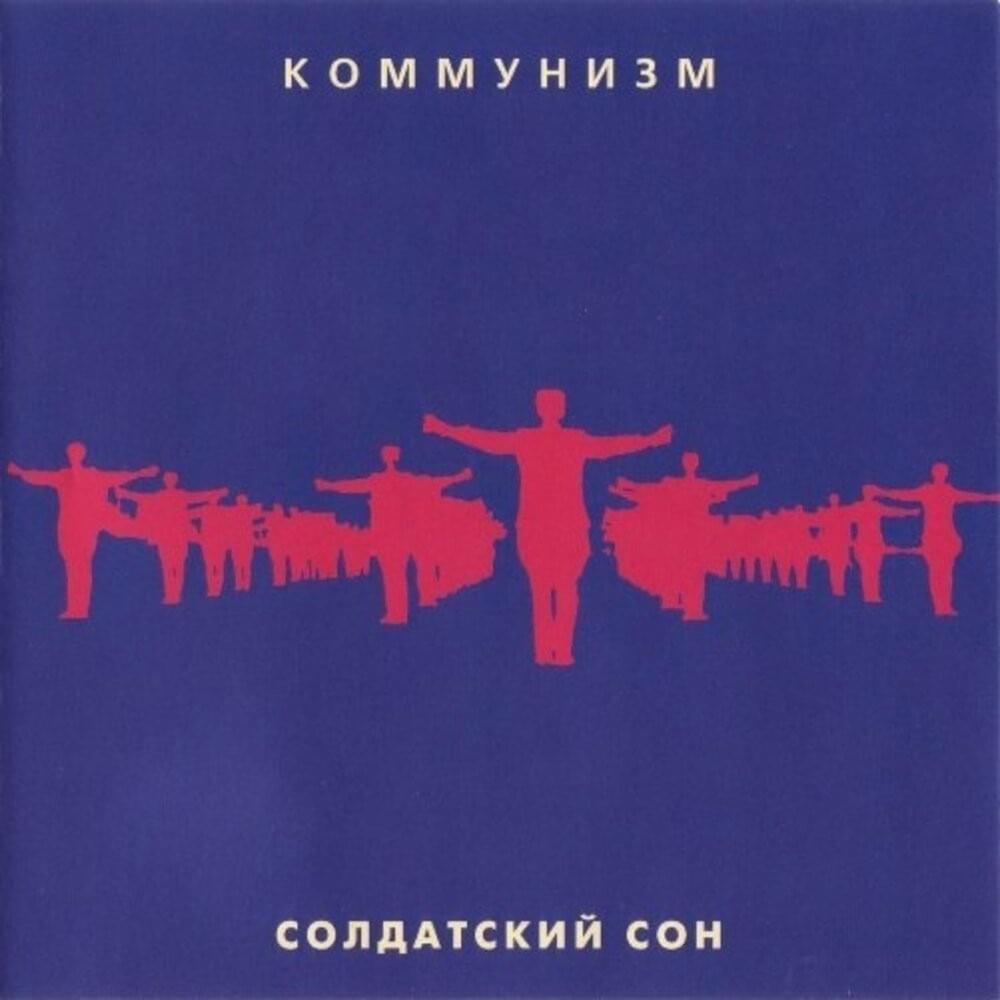
 View Artist