Song Meaning
The lyrics paint a picture of profound societal stagnation, where external voices declare it "just too late" and the world feels "sealed up like a tomb." Yet, the narrator finds a defiant spark within this perceived finality, asserting that "the living still kick / Against the mortar till the air comes through." This establishes an immediate tension between despair and a stubborn refusal to accept defeat, suggesting a hidden resilience even in the most desolate circumstances.
The central conflict emerges in the repeated question, "Am I on my own," immediately followed by an invitation, "Won't you come along with me." This isn't just a plea for companionship; it's a search for a partner in rebellion, someone to share the fight against the suffocating status quo. The narrator believes "We could be the ones / To find a place that's free," framing their potential union as a force capable of creating something new from the ruins.
The most striking imagery is the contrast between being trapped and the act of breaking free. The "two hands clenched on the very last thread" is a powerful visual of desperation, yet the narrator immediately pivots: "That's one more than we need." This surplus of a single hand is then used to "shatter this floor," a violent, active image of escape. The simile "Like an arc springing up from a reed" adds a touch of organic, almost miraculous resilience to this act of destruction and liberation.
What makes these lyrics resonate is their potent blend of existential dread and active hope. The writing doesn't just lament the bleakness; it actively imagines a way out through shared effort and a willingness to break down barriers. The spectral dust of the "modern age" that "adds up to nothing" is a sharp critique, but the ultimate focus is on finding "heartbeats" and a "place that's free," a deeply human and urgent aspiration grounded in the raw act of connection and defiance.
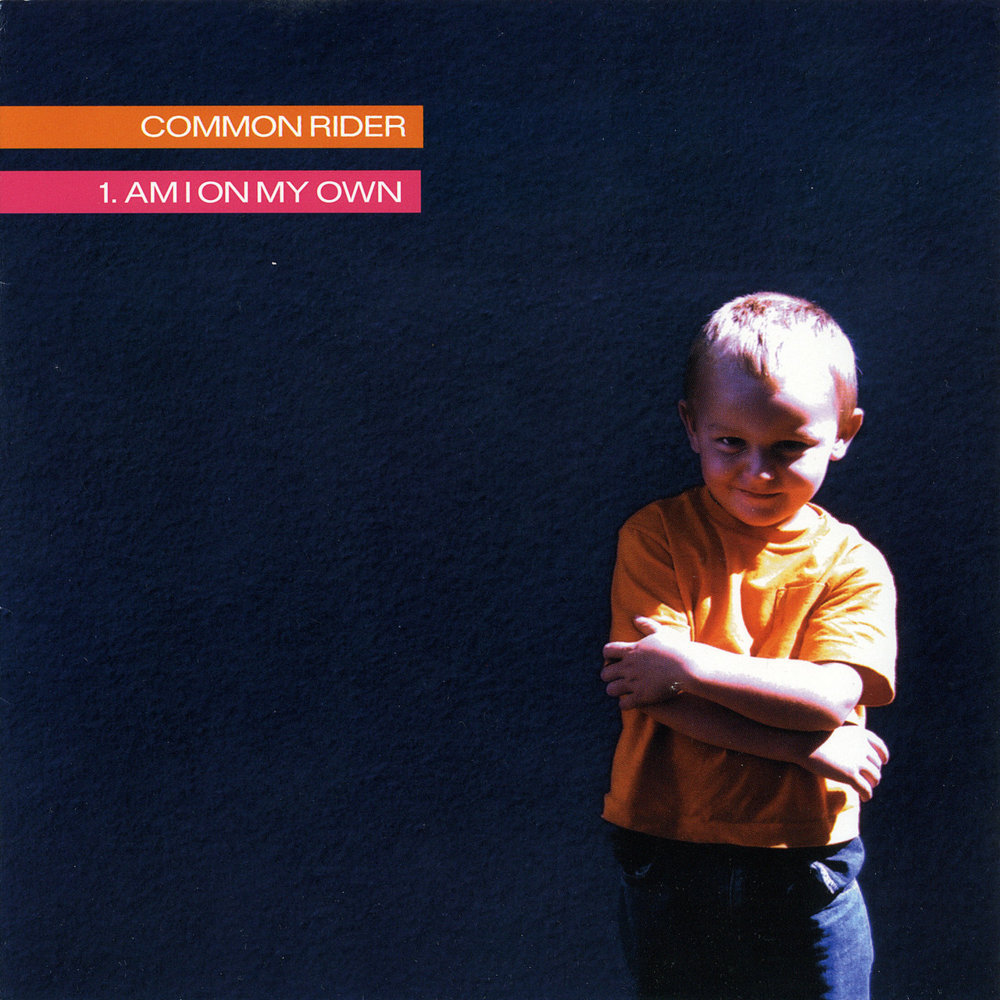
 View Artist