Song Meaning
The lyrics paint a stark picture of someone who has lost their way, a transformation that leaves the narrator bewildered and disappointed. The opening questions, "What have you become?" and "Now you fight a losing war," immediately establish a tone of disillusionment. The narrator observes a chaotic state, a "mess," where genuine connection feels impossible, stating, "Seems like anything that's real, I just can't see." This inability to perceive authenticity in the other person is a central theme, repeated with "I can't see the truth in you" and "I can't see the real in you."
The core tension arises from the perceived gap between the person the narrator once knew and the individual they appear to be now. The lyrics suggest a struggle against external pressures, a forced conformity: "But instead, you have to fit the mould." This adherence to a fabricated persona, this "front," is seen as detrimental, leading to a loss of self-respect and an inevitable decline. The narrator's plea, "I know you're better than that," underscores a deep-seated belief in the other person's potential for authenticity, a potential that is currently being squandered.
The most striking aspect of the writing is the direct confrontation with the other person's inauthenticity. Phrases like "Your front is wearing thin" and "all the lies you put in front" are accusatory yet tinged with a desire for change. The narrator directly challenges the other's choices, asking, "So how long can you live like this?" and offering an escape: "Do you want to break free?" This call to action is juxtaposed with the narrator's own self-assurance, "I don't need a crew, to validate myself," highlighting the contrast between genuine self-worth and the desperate need for external validation that seems to be driving the other person's "changing face."
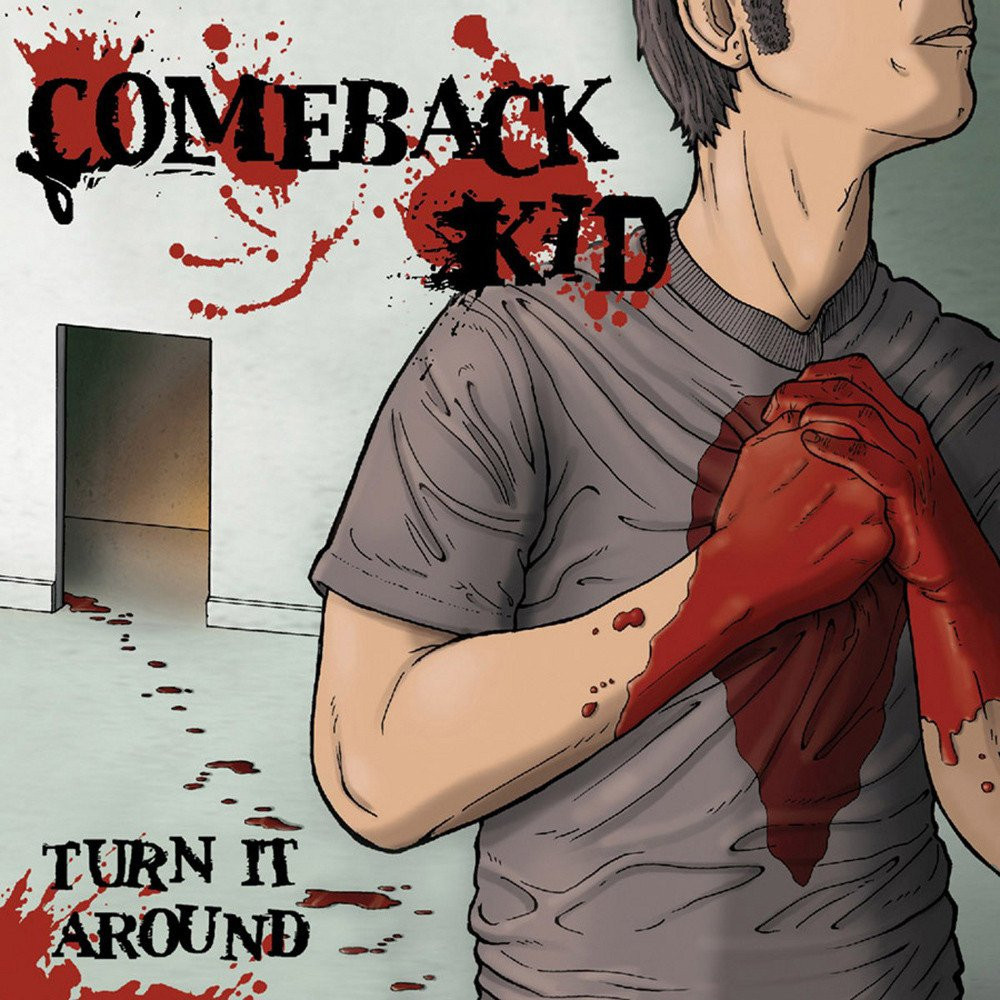
 View Artist