Song Meaning
The lyrics paint a picture of someone feeling objectified and misunderstood, reduced to mere "image," "sound," or "myth." This narrator insists they are "not around," suggesting a detachment or an inability for others to truly grasp their presence or essence. The core of the conflict seems to stem from an external force trying to mold the narrator into their own image, a futile effort given the narrator's self-perception and perceived superiority.
The central tension arises from this external pressure to conform versus the narrator's fierce refusal to change. The repeated question, "Do you really think it would be more like you?" highlights the perceived inadequacy of the person demanding change. The narrator dismisses the other's opinions with "I've got better things to do than to listen to you," establishing a clear boundary and a profound lack of interest in appeasing them. This is amplified by the aggressive declaration, "I need to hear you cry like a bitch," revealing a deep-seated animosity.
The most striking aspect of the writing is the narrator's defiant self-definition and the stark contrast between their internal reality and the external perception. They are not just passively existing; they are actively asserting their distinctness. The repetition of "I'm just an image / I'm just a sound / I'm just a myth / I'm not around" in the chorus, bookended by the raw, almost guttural "Crying" at the end, creates a powerful sense of isolation and unresolved anger. It suggests that despite their outward dismissal, the inability to be truly seen or understood is a source of deep pain.
This track hits hard because it captures the visceral frustration of being reduced to a caricature by someone incapable of self-reflection. The narrator's sharp retorts and refusal to engage with criticism, coupled with the underlying venom, create a compelling portrait of someone pushed to their limit. The lyrics effectively convey a sense of bitter triumph, where the narrator finds power in their own perceived otherness and rejects the other's attempts at control, even if it means reveling in mutual disdain.
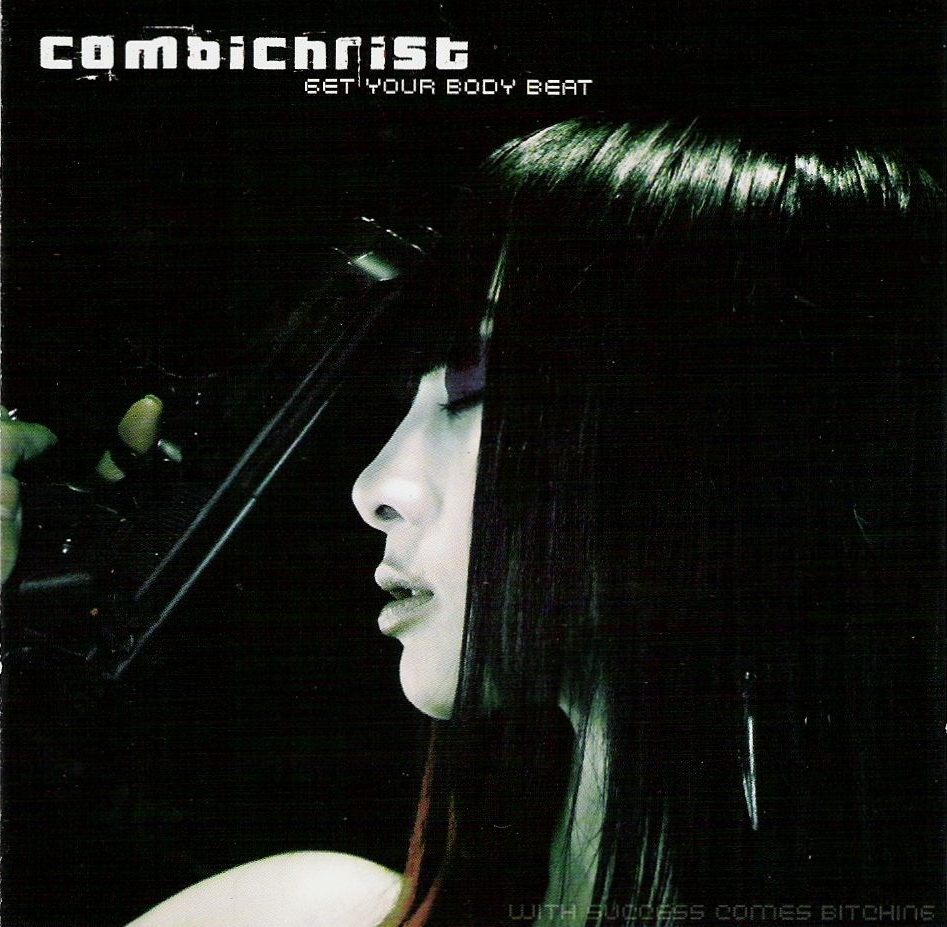
 View Artist