Song Meaning
The narrator is utterly fed up with the mundane, the superficial, and the stifling comfort of their current existence. There's a palpable exhaustion with the "noise" and "toys" of life, a desperate yearning for something more substantial than what the "city that once sold me hope" can offer. This isn't just dissatisfaction; it's a full-blown rejection, a desire to "burn the cash" and leave behind a place that ultimately failed to deliver.
The core tension lies in the narrator's paradoxical embrace of failure and loss. They admit to "losing again," yet declare "nothing has ever felt better." This suggests a profound shift in perspective, where giving up on conventional success becomes a form of liberation. The phrase "poorman's sunsetters" paints a vivid picture of a beautiful, yet ultimately diminished, end.
The most striking element is the internal shift from external striving to radical self-acceptance and rest. The narrator wants to "turn off my books and turn on my chest," a powerful image of abandoning intellectual or societal expectations for raw, physical being. They aim to "conquer this world with just my hands full of sheets," finding strength not in action, but in stillness and embracing their current state of exhaustion and mistakes.
This lyrical passage hits hard because it articulates a deep, often unspoken, desire to opt out of the relentless pursuit of more. The raw honesty about losing and finding peace in it, combined with the vivid imagery of embracing mistakes in bed, creates a potent, almost defiant, sense of catharsis. The plea to "kill what I got" is a desperate, yet strangely hopeful, call to shed the old self and begin anew from a place of profound vulnerability.
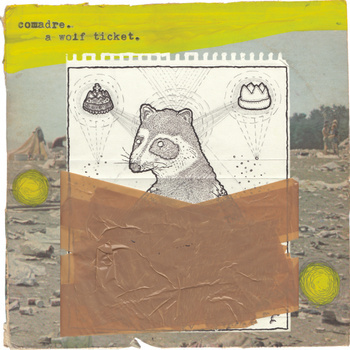
 View Artist