Song Meaning
The lyrics paint a stark picture of obsolescence and the fading of a bygone era. The repeated phrase, "The trains are gone," immediately establishes a sense of loss, not just of the trains themselves, but of the entire culture and industry they represented. The imagery of "spent like the coal they once rolled on" and the absence of "'bos" and "bunking" or "brake-men yodelin'" underscores a world that has moved on, leaving behind the echoes of its industrial past. It's a quiet, almost mournful, observation of what's been left behind.
The narrative then pivots to a more personal sense of decline, linking the narrator's grandfather's ranch drying up to historical figures like Johnny Chisum. This suggests a broader theme of land and livelihoods being impacted by forces beyond individual control, perhaps economic shifts or environmental changes. The specific historical reference, while not elaborated upon, grounds this decline in a tangible, albeit somewhat opaque, past, implying a long-standing pattern of loss that predates the narrator's own experience.
Despite acknowledging his youth – "I know I'm young" – the narrator perceives change with a startling clarity. He understands that transformations arrive "swift as a freight train, the kind that's gone." This paradox highlights a mature awareness of impermanence, recognizing that even the most powerful and seemingly permanent forces, like freight trains, are subject to disappearance. The contrast between his youth and his perception of rapid, irreversible change is a central tension.
Ultimately, the effectiveness of these lyrics lies in their evocative simplicity and the melancholic atmosphere they create. The repeated refrain and the concrete, yet fading, images of a working past resonate with a quiet resignation. The writing doesn't demand grand pronouncements; instead, it allows the stark reality of absence and the swiftness of change to speak for themselves, leaving the listener with a profound sense of what has been lost.
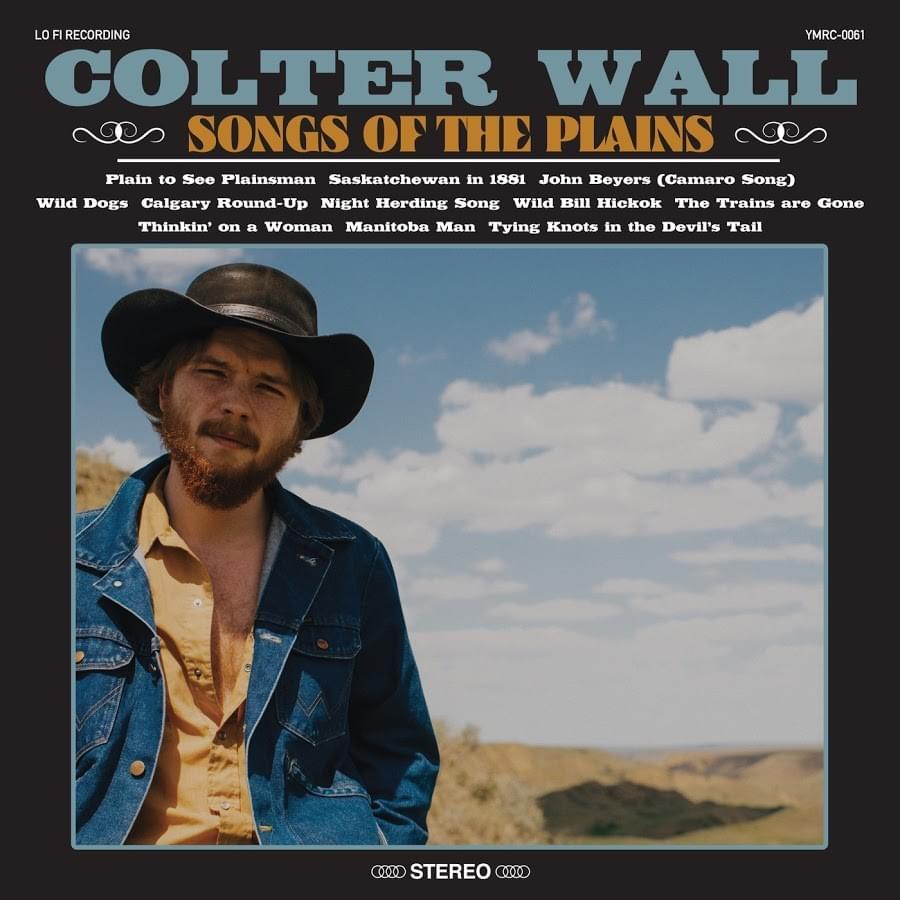
 View Artist