Song Meaning
The narrator is stuck in a state of passive observation, a quiet desperation that mirrors a larger societal malaise. The repeated phrase "I'm just standing here" establishes a tone of helplessness, a stark contrast to the "wind blow" that aggressively "beat[s] on my walls and on my brain." This isn't just a personal moment of introspection; it’s a lament for a country that feels adrift, a sense of collective disorientation where "the whole world's talkin', but no one's saying a thing."
The core tension lies between the desire for change – symbolized by the longed-for rain – and the paralysis of inaction. The narrator feels the external forces, the "wind blow," impacting them deeply, yet remains physically stationary. This internal conflict is amplified by a disillusionment with the superficiality of others, particularly the "music people" who are perceived as insincere and exploitative. The narrator explicitly states they are "hiding out," preferring isolation to false camaraderie.
The most striking aspect of the craft is the juxtaposition of mundane observation with profound emotional distress. Looking out a window and listening to the wind are simple acts, but they become conduits for a deep sorrow for their "country." The repetition of "I'm just standing here" reinforces the feeling of being trapped, while the wind's aggressive action suggests an external force that is both present and damaging. The narrator’s plea, "Lord, ain't it funny?" highlights the irony of a world full of noise but devoid of meaningful communication.
This lyricism resonates because it captures a specific kind of modern anxiety: the feeling of being overwhelmed by external chaos while simultaneously being unable to effect personal change. The simple, direct language makes the narrator's emotional state palpable, transforming a scene of quiet stillness into a powerful expression of collective unease and a yearning for catharsis, whether through literal rain or genuine dialogue.
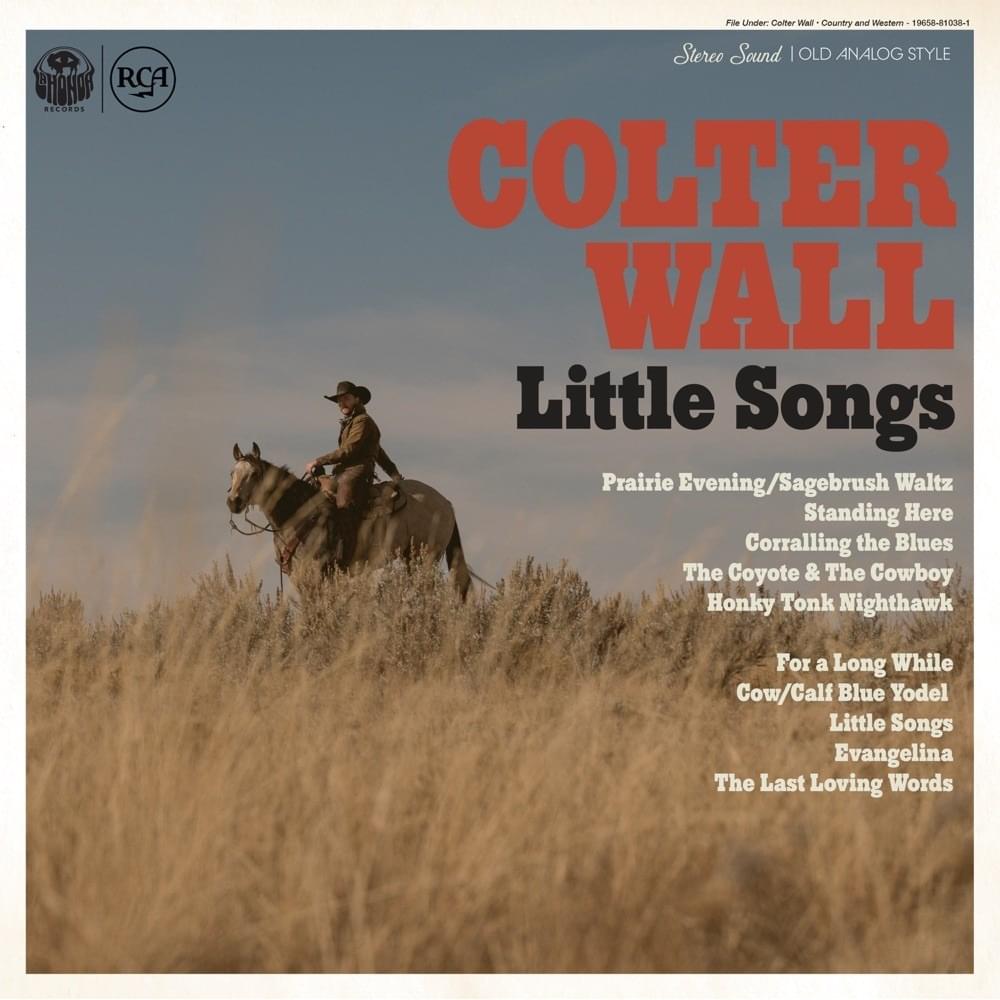
 View Artist