Song Meaning
The lyrics paint a stark, almost desolate picture, beginning with a personified, aching half-moon that sets a somber, melancholic tone. The immediate sensation is one of vulnerability and exposure, as the narrator states, "We are wet, we are stripped to the bone." This imagery suggests a raw, fundamental state of being, stripped of all pretense or comfort. The feeling is one of being exposed to the elements, both literally and emotionally.
The central tension arises from a sense of powerlessness over one's own destiny or desires. The phrase "the dream we're bound to dream" implies a predetermined, perhaps inescapable, path or aspiration that is beyond the narrator's control. This is amplified by the repeated assertion, "We are wet, always alone," which reinforces a persistent state of isolation and discomfort, suggesting that even shared experiences are ultimately solitary.
The craft here is in its stark, unadorned language and potent, almost bleak imagery. The repetition of "we are wet" and "alone" hammers home the pervasive sense of isolation and discomfort. The personification of the "half-moon is aching" immediately imbues the scene with a profound sadness that feels both cosmic and personal. The contrast between the shared "we" and the ultimate "always alone" creates a poignant emotional dissonance.
This lyrical construction is effective because it bypasses elaborate metaphor for direct, visceral feeling. The raw, unvarnished descriptions of vulnerability and isolation resonate through their simplicity. The lyrics don't explain the sadness; they embody it through sensory details and a sense of inescapable circumstance, leaving the listener with a lingering feeling of shared, yet solitary, exposure.
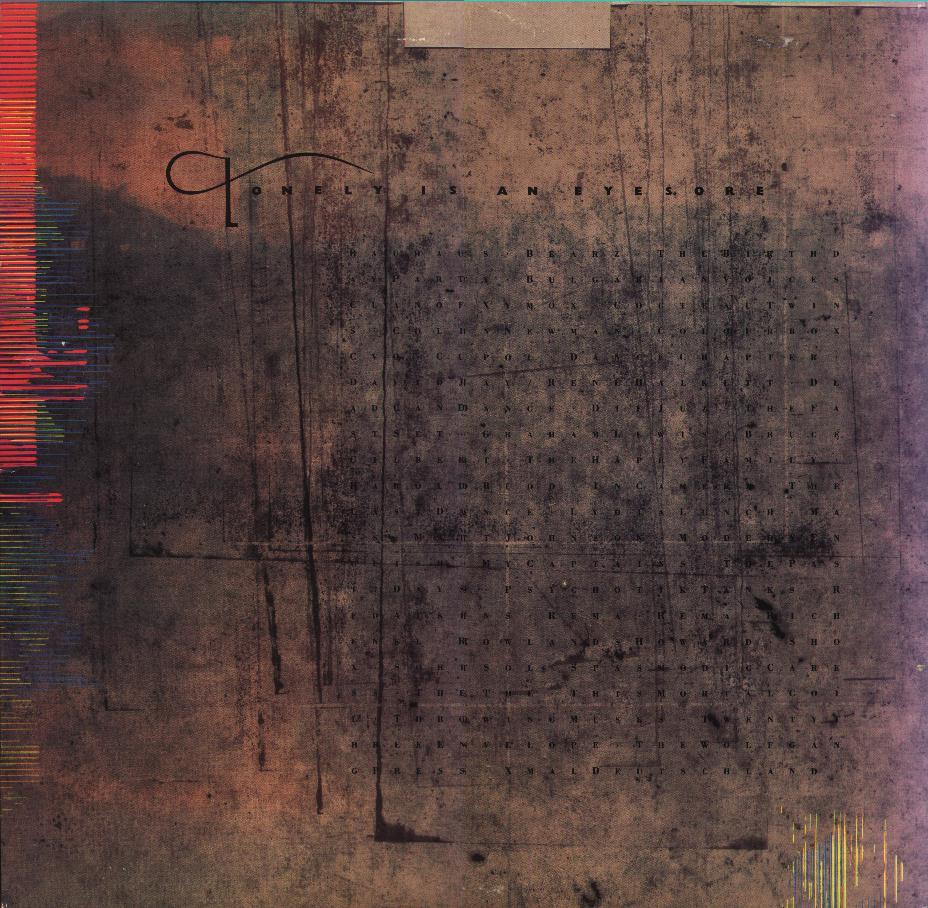
 View Artist