Song Meaning
The lyrics paint a stark picture of someone facing their end, with a palpable sense of fading consciousness. The initial lines establish a feeling of detachment and resignation, observing the "white walls" and a "cold" that intensifies as vision blurs. This isn't a struggle against death, but a passive surrender to it, where questions have ceased and only the "moment where time stands still" remains. The dominant tone is one of quiet, almost melancholic, acceptance of an inevitable darkness.
The central tension lies in the merging of opposing sensations: "calmness merged with pain" and the "slow aching movement" towards an end. This duality suggests a complex emotional state, not just fear, but perhaps a strange peace found in the cessation of struggle. The "last shadows of horror" hint at lingering unease, but the overwhelming feeling is one of being "too weak to move anymore," a complete loss of agency.
The recurring image of the "river" is crucial, representing a constant, unstoppable flow towards oblivion. It's described as "flowing down in constant movement, further down," a metaphor for the irreversible passage of time and the speaker's descent. This movement contrasts sharply with the "stillness awaits" and the speaker's own inability to move, highlighting the passive nature of their final moments. The "claws" that "mangle what's left of me" are a final, visceral image of this destructive, inescapable force.
This writing is effective because it grounds abstract concepts like death and fading consciousness in concrete sensory details. The blurring sight, the growing cold, and the stillness all contribute to an immersive, almost claustrophobic experience for the reader. The juxtaposition of "calmness" and "pain," and the relentless "river" imagery, create a profound sense of a life quietly ebbing away, leaving behind only the stark reality of "no letters, no empty words."
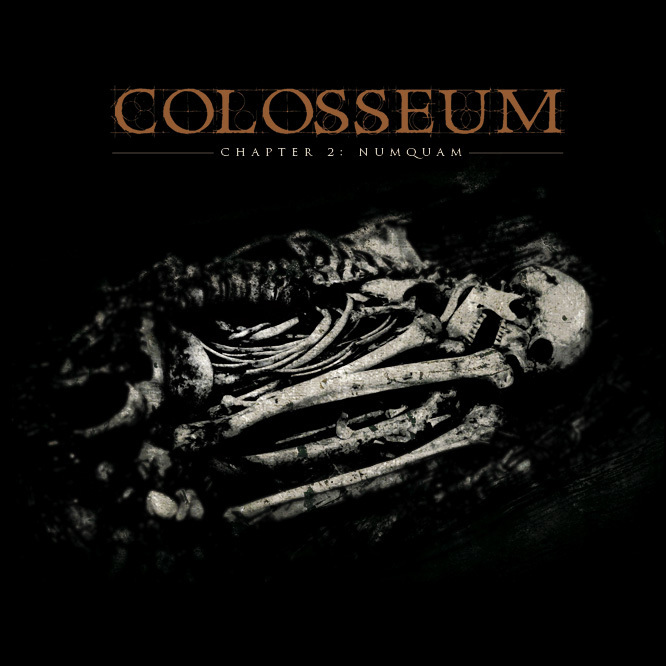
 View Artist