Song Meaning
The lyrics paint a vivid picture of a recurring romantic disappointment. The narrator observes her partner's predictable behavior, noting how he's drawn to superficial attention from other women, described as "dotjerane lutkice" (groomed little dolls) and "dugonoge graktalice" (long-legged cacklers). These women are characterized as "nacrtane" (drawn/painted) and "prebojane" (repainted), suggesting a lack of authenticity and a focus on outward appearance, driven by material gain ("vole pune dzepove" - they love full pockets).
The central tension lies in the narrator's weary frustration with this cycle. She directly addresses the partner, stating "Ne dolazi takav pred moje oci" (Don't come before my eyes like that) and "Ne idi na vrata moja kad te vino srusi" (Don't go to my door when wine knocks you down). This highlights her refusal to accept his drunken advances or insincere declarations of love, which she dismisses as "tipicno muski" (typically male).
The repeated chorus acts as a powerful refrain, hammering home the narrator's disillusionment. The phrase "tipicno muski" is the core of her critique, implying a pattern of behavior she finds common and unacceptable. The imagery of him being "vino srusi" (knocked down by wine) and his words being "lupetaj" (babble/nonsense) underscores the lack of genuine feeling behind his actions and words when he seeks her out.
This lyrical construction effectively conveys a sense of emotional exhaustion and a firm boundary being set. The narrator isn't just angry; she's resigned to a predictable, disappointing pattern, and her direct address makes the critique feel personal and sharp. The specificity of the descriptions of the other women and the partner's state when he approaches her grounds the emotional weight in concrete, relatable scenarios.
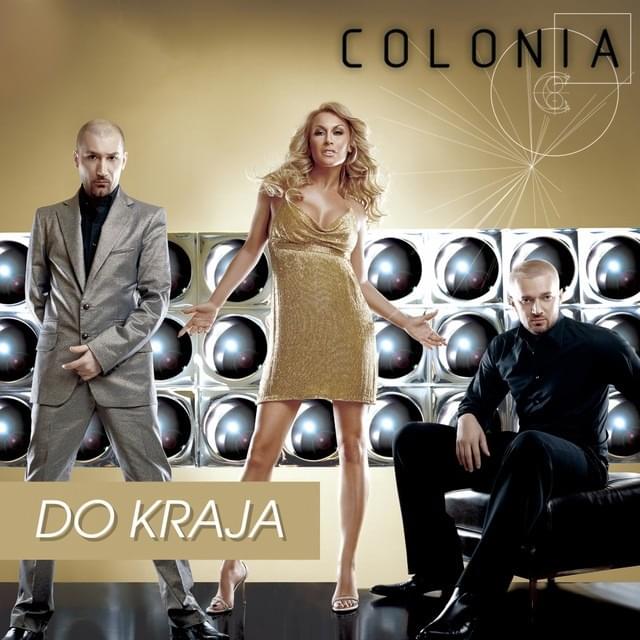
 View Artist