Song Meaning
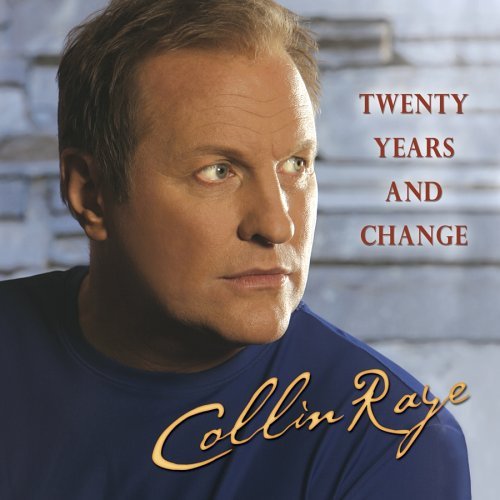
Collin Raye's rendition of "You're Not Drinkin' Enough," popularized by Don Henley, dives headfirst into the familiar, yet perversely fascinating, territory of heartbreak and self-deception. The song meaning isn't simply about drowning sorrows; it's about the futility of attempting to medicate genuine emotional pain with artificial means. The protagonist, clearly still reeling from a past relationship, is caught in a loop of denial, desperately trying to convince himself (and perhaps others) that he's moved on. But the chasm between his words and his actions reveals the truth: he's anything but indifferent. The recurring line, "You keep tellin' yourself that you're tough," underscores the performative aspect of his coping mechanism – a facade that crumbles under the weight of his lingering desire. This song speaks to the fragile male ego, unable to reconcile vulnerability with strength.
The lyrics cleverly juxtapose the protagonist's internal state with external attempts at numbing the pain. The "perfume she wore" available at the "Five and Dime" symbolizes the cheap substitutes we often reach for in moments of emotional crisis – readily available, but ultimately unsatisfying. The repetition of "You still wanna hold her" is a brutal, almost accusatory reminder of the protagonist's unresolved feelings. It's not just about physical longing; it's about the need for emotional validation and connection that the lost relationship once provided. The line, "There ain't enough whiskey in Texas / To keep you from beggin'," delivers a stark admission of defeat. It highlights the limitations of alcohol as a coping mechanism, revealing the depth of his emotional dependency on the absent lover.
The subtle shifts in perspective add another layer of complexity to the song's meaning. While the verses initially focus on observing the protagonist's behavior, the final lines, "Oh, I still wanna hold her / I must not be drinkin' enough," suggest a merging of the narrator's voice with the protagonist's. This implies a shared experience of heartbreak and the universal struggle to overcome emotional pain. It hints that the narrator, too, is battling similar demons. The "Ay-yi-yi-yi" vocalizations scattered throughout the song mimic a kind of pained wail, amplifying the underlying sense of anguish and regret. It is a raw, honest look at the messy, often illogical, ways we try to navigate the aftermath of lost love, and the realization that some wounds simply can't be anesthetized.
 View Artist