Song Meaning
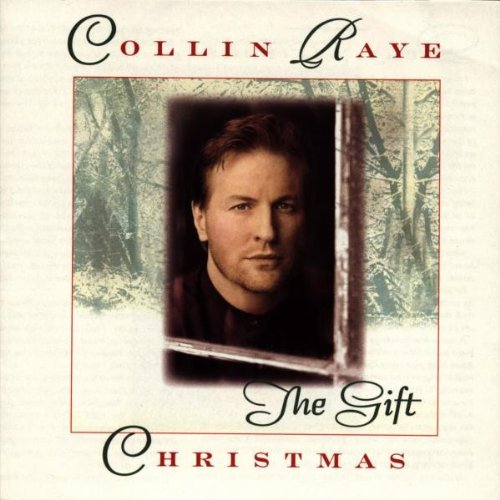
Collin Raye's rendition of "White Christmas" isn't just a simple cover; it's a poignant exploration of displacement and the yearning for an idealized past. The song's inherent tension lies in the juxtaposition of the sunny, vibrant present – Beverly Hills, palm trees swaying – with the nostalgic longing for a traditional, snowy Christmas. This contrast immediately establishes a sense of cognitive dissonance, highlighting the emotional weight of being physically removed from a cherished cultural experience. The lyrics aren't merely about weather; they represent a deeper disconnect from a sense of belonging and the familiar comforts of childhood memories. The opening lines act as a scenic setup, emphasizing how out-of-sync the narrator’s environment is with his internal emotional state.
The recurring phrase "dreaming of a white Christmas" underscores the power of memory and imagination as coping mechanisms. The "white Christmas" itself becomes a symbolic representation of purity, innocence, and the idealized family gatherings of yesteryear. Phrases like "tree-tops glisten" and "children listen to hear sleighbells in the snow" evoke a sensory-rich tableau, painting a picture of warmth and familial connection that is conspicuously absent in the narrator's present reality. This isn't just about snow; it's about the intangible atmosphere of a traditional Christmas, a feeling that transcends geographical location.
The act of writing Christmas cards, with the wish "May your days be merry and bright, and may all your Christmases be white," reveals a performative aspect to the narrator's longing. He's not just wishing others a happy holiday; he's attempting to manifest his own desire for that idealized Christmas experience. The repetition of this sentiment suggests a deep-seated need to both connect with others through shared cultural traditions and to reassure himself that the 'white Christmas' he remembers still exists, even if only in memory and imagination. Collin Raye’s interpretation transforms a seemingly simple Christmas carol into a subtle commentary on the human need for connection, tradition, and the enduring power of nostalgia.
 View Artist