Song Meaning
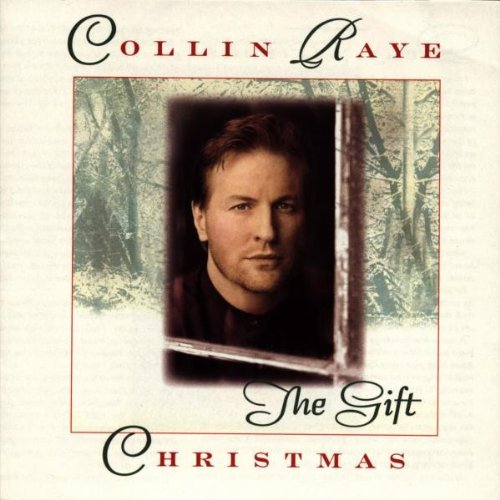
Collin Raye's rendition of "O Holy Night" isn't just a Christmas carol; it's a soaring declaration of faith and transformative hope. The song's power lies in its ability to evoke a sense of profound spiritual awakening, not merely celebrating a historical event but inviting listeners into a present experience of divine grace. Raye's performance amplifies the inherent drama of the lyrics, transforming a familiar narrative into a deeply personal encounter. The opening lines, rich with imagery of a starlit night, paint a picture of anticipation, setting the stage for the arrival of a savior who promises to alleviate the world's suffering. It speaks to a longing for redemption, a yearning deeply embedded in the human psyche, and offers a potent vision of release. The song suggests that it was only with Christ’s arrival that 'the soul felt its worth,' implying a prior state of spiritual impoverishment, a universal condition of being lost and without direction. This idea resonates with psychological concepts of self-worth and the search for meaning, finding resolution in faith.
The core of "O Holy Night" rests on the promise of liberation. The lyrics explicitly state that 'chains shall He break, for the slave is our brother,' directly confronting issues of oppression and inequality. This isn't simply religious dogma; it's a radical call for social justice rooted in the belief in inherent human dignity. The song envisions a world where 'all oppression shall cease,' a utopian vision fueled by the transformative power of love and compassion. The line emphasizes the collective aspect of the salvation narrative, suggesting that liberation from suffering is not an individual pursuit but a shared responsibility. This speaks to our innate desire for connection and belonging and the importance of empathy in fostering a more just and equitable society.
Ultimately, Collin Raye’s version of "O Holy Night" functions as both a devotional hymn and a social manifesto. The repeated exhortation to 'fall on your knees' is not just a call for religious submission but an acknowledgement of something greater than ourselves. It urges us to recognize our shared humanity and to embrace the principles of love, peace, and justice. This song meaning taps into the deepest levels of human aspiration, offering a pathway toward personal and collective transformation. The closing lines, proclaiming 'Christ is the Lord,' serve as a powerful affirmation of faith, solidifying the song's message of hope, redemption, and the enduring power of the divine.
 View Artist