Song Meaning
The narrator meets someone who asks if he's ready to "shake," a question met with an embrace of "noise" and the "life that it makes." This sets up a dynamic where the narrator seems drawn to energetic, perhaps chaotic, experiences. Later, the same person asks if he's "feeling alone," to which he responds by confessing a weariness with the passage of time, stating he loves time but "never ever this long." This contrast between embracing external energy and internal loneliness hints at a deeper emotional state.
The central tension revolves around the narrator's readiness to commit, encapsulated in the repeated phrase "I'll be perfect to stay." This declaration feels less like a confident assertion and more like a hopeful aspiration, especially given the preceding lines. He admits his "line" is "subject to change" and that he "once had a thought, but then I gave it away," suggesting a fluid sense of self and a difficulty in holding onto convictions or plans.
The lyrics employ a subtle but effective contrast between the external interactions and the internal monologue. The direct questions from "She" prompt brief, almost abstract responses from the narrator. His self-assessment, however, is more introspective and tinged with a sense of impermanence. The similes in the second chorus, comparing his desire to stay to the sun's love for its "newborn days" and oceans for their "waves," attempt to ground his feeling in natural, inevitable cycles, yet the initial hesitations cast a shadow of doubt over this newfound resolve.
Ultimately, the effectiveness of these lyrics lies in their portrayal of a hesitant heart. The narrator seems to be on the cusp of something, perhaps a relationship or a decision, but his past "giving away" thoughts and his "subject to change" line reveal an underlying uncertainty. The repeated promise to "be perfect to stay" lands with a hopeful, almost pleading, resonance, making the listener wonder if this is a genuine commitment or a wish he's trying to convince himself of.
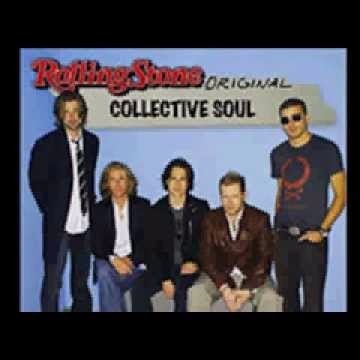
 View Artist