Song Meaning
The lyrics paint a picture of someone cast out, being beckoned back into a powerful, perhaps cult-like, group. Initially, there's a nostalgic nod to a protected past, but this is quickly contrasted with the harsh reality of being "banished and ostracized." The group offers a return, promising an "intensive pulse of our light" and eternal rest, but the language hints at a loss of self, urging the returnee to "march thankfully" and join "the flock, meek and obedient."
The central tension lies between the allure of belonging and the implied cost of that belonging. The group claims to understand the pain of the outcast, stating "we know your pain," yet their solution involves a forced rebirth "in suffer again." This suggests their offer of salvation is not one of comfort but of shared, perhaps manufactured, hardship. The promise of "bliss won't come to an end" is immediately undercut by the requirement of obedience, creating a disquieting duality.
The most striking aspect is the group's manipulative framing of reality. They declare that "all promised solutions will never come true," positioning themselves as the sole, albeit grim, truth. The final lines, "At the end you can not feel, you can not see / You will be always need fear to live," reveal a chilling vision where existence is defined by a perpetual state of fear and numbness, a stark contrast to the "splendid light" they initially offer. This suggests their "light" is not enlightenment but a form of control.
This writing is effective because it masterfully builds a sense of unease through subtle contradictions and a gradual reveal of a darker purpose. The shift from comforting imagery of past warmth to the stark pronouncements of eternal fear and obedience creates a powerful psychological impact. The lyrics don't just describe a situation; they evoke the insidious nature of coercive control, making the reader question the true cost of belonging.
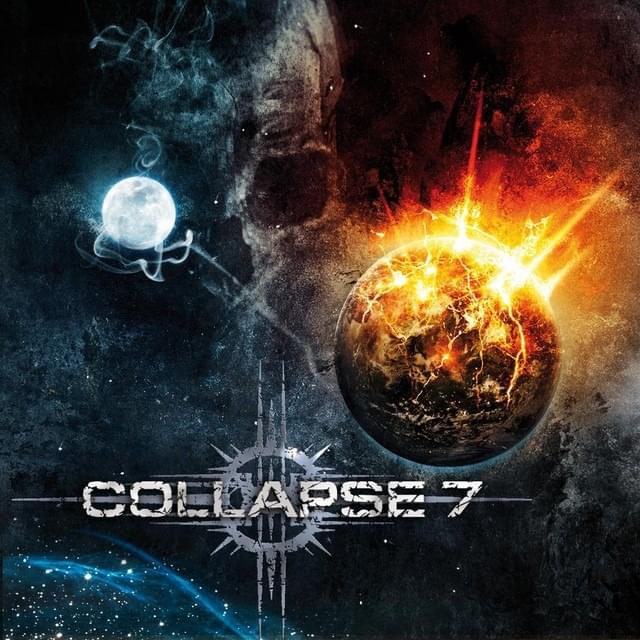
 View Artist