Song Meaning
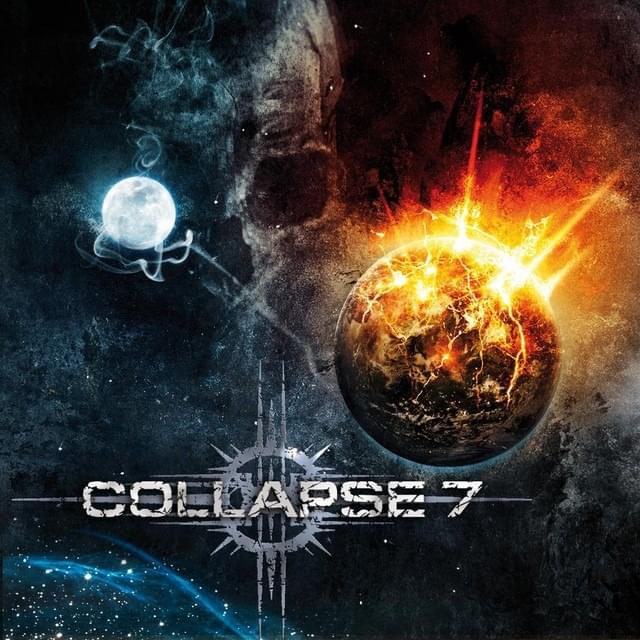
The lyrics paint a bleak picture of a dying world, where nature itself is suffering and the skies are hostile. There's a sense of inevitable doom, a "condemned existence" that falls without explanation. Death is personified as a player in a final, losing game, and humanity is left to raise a "flag of hopelesness" as it's banished to an apocalyptic end. This sets a tone of utter despair and resignation from the outset.
The central tension arises from the contrast between the overwhelming, almost cosmic despair and the human response, or lack thereof. The "cries of men are turning total insane," yet the lyrics predict that "apathy again" shall reign. This suggests a societal breakdown where even suffering leads not to action or solidarity, but to a "sick exploitative suicide race." The impending doom is met with a grim, almost passive acceptance, as humanity seems poised to "find its final disgrace."
The most striking element is the repeated phrase "stagnating stain, everlasting pain." This image is potent, suggesting a wound that won't heal, a persistent corruption that festers and causes unending suffering. It’s not a sudden, sharp pain, but a slow, decaying affliction. The lyrics then tie this to "pretense is sane, for previous blame," implying that a false sense of normalcy or the deflection of responsibility is the only way to cope with this pervasive, unresolvable agony.
What makes these lyrics hit so hard is their unflinching depiction of a world beyond redemption, where even the most extreme suffering breeds only apathy and self-destruction. The stark, almost clinical language, combined with the visceral imagery of a "stagnating stain," creates a powerful sense of inescapable dread. The writing doesn't offer comfort or a path forward, but rather forces the listener to confront a profound and lingering despair.
 View Artist