Song Meaning
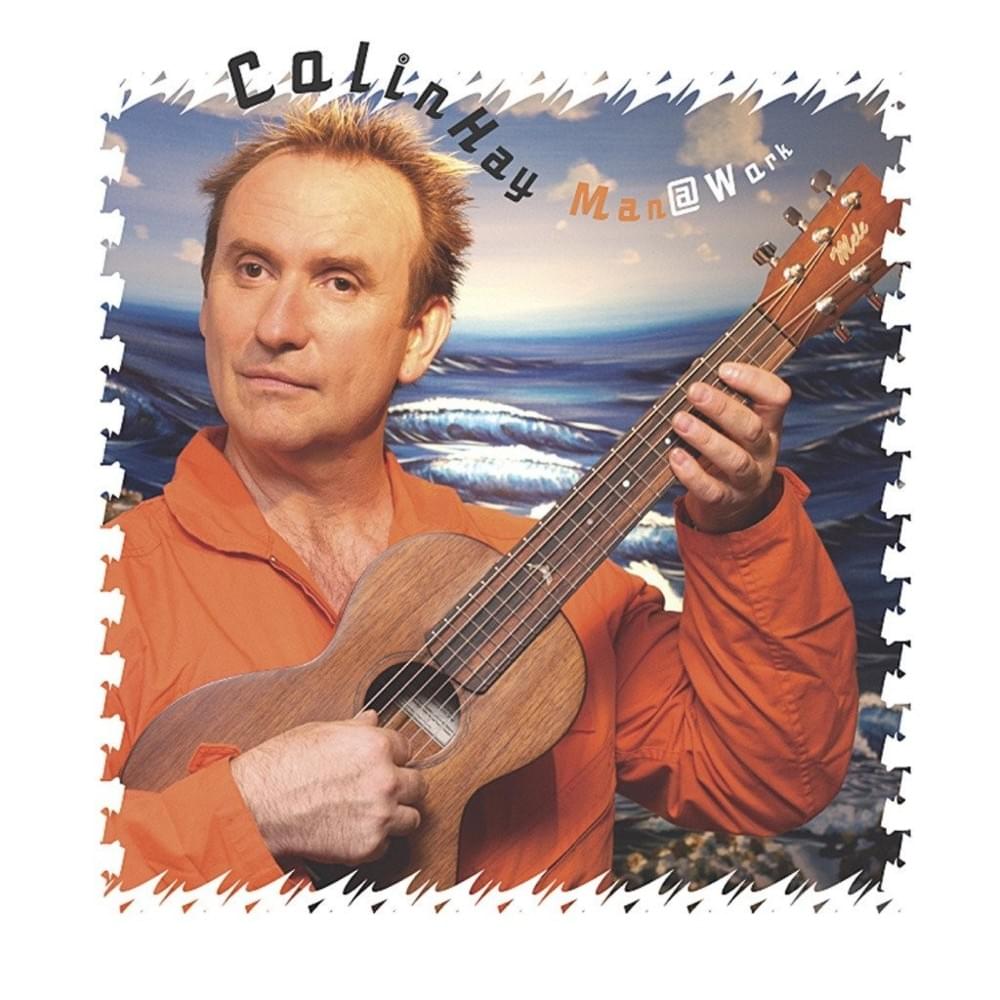
Colin Hay's acoustic rendition of "Who Can It Be Now?" strips away the 80s synth-pop veneer of the Men at Work original, revealing the raw nerve beneath. This version isn't just a catchy tune; it's a stark portrait of anxiety bordering on paranoia. The song meaning centers on the dread of intrusion, both physical and psychological. The narrator's desperate plea – "Go 'way, don't come 'round here no more" – isn't directed at a specific person, but at an unnamed, looming threat. It's the fear of being exposed, of having one's carefully constructed inner world shattered. The repetition of "Who can it be now?" becomes a mantra of mounting panic, each iteration laced with more desperation than the last.
The lyrics hint at a deeper fragility. The lines "I've done no harm, I keep to myself; There's nothing wrong with my state of mental health" are, ironically, a huge red flag. They suggest a deep-seated fear of judgment, a need to constantly justify one's existence. The mention of a "childhood friend" and the return of "those feelings again!" points to unresolved traumas or anxieties rooted in the past. This isn't just about a stranger at the door; it's about the past knocking, demanding to be reckoned with. The narrator's retreat into isolation is a defense mechanism, a futile attempt to ward off the inevitable confrontation with their own inner demons.
Ultimately, Colin Hay's acoustic interpretation of "Who Can It Be Now?" transforms the song from a quirky new wave hit into a haunting exploration of the human psyche under siege. The final verse, with its desperate question "Is it the man come to take me away?" solidifies the sense of impending doom. But the subsequent lines, "Why do they follow me? It's not the future that I can see, It's just my fantasy," offer a glimmer of self-awareness. Is the threat real, or is it a manifestation of the narrator's own anxieties? The song leaves us with this unsettling ambiguity, forcing us to confront our own fears of intrusion and the fragility of our mental states. The true brilliance of Hay’s performance lies in how it manages to make the listener feel as trapped and vulnerable as the narrator himself.
 View Artist