Song Meaning
Colin Hay's deceptively upbeat "Waiting for My Real Life to Begin" is a masterclass in melancholic optimism, a portrait of a soul caught in the perpetual loop of anticipation. The song's core lies in its central tension: the push and pull between accepting the present and yearning for a future where everything finally clicks into place. Hay captures the human tendency to defer happiness, constantly projecting fulfillment onto some distant, imagined horizon. The recurring motif of the ship 'coming in' serves as a potent metaphor for this deferred gratification—the belief that success, love, or simply 'real life' is just around the corner, if only one waits patiently enough. But the repetition also hints at the futility of this waiting game. Is the ship ever truly going to arrive, or is the protagonist doomed to a life of perpetual dockside vigils? That is the question. The radio edit's streamlined arrangement only intensifies the pointedness of the question.
Beneath the surface of hopeful expectation, a quiet desperation simmers. The lyrics hint at past disappointments and a reliance on external validation. The lines about walking "down this beaten path...once again" suggest a pattern of repeated mistakes or unfulfilled potential. The dragon slain in dreams offers a stark contrast to the mundane reality of "suddenly nothing happened." This juxtaposition underscores the protagonist's internal struggle—a disconnect between their aspirations and their lived experience. The interventions of the voice that urges, "be still my love" and "just be here now" highlight the internal conflict and the struggle to appreciate the present moment. This voice represents a grounded perspective, a plea to embrace the here and now instead of chasing an elusive future. Yet, the protagonist remains steadfast in their plan, clinging to the belief that their 'real life' is still to come.
Ultimately, "Waiting for My Real Life to Begin" resonates because it taps into a universal human experience: the search for meaning and purpose. The song doesn't offer easy answers or resolutions. Instead, it leaves us with a poignant reflection on the nature of time, expectation, and the often-difficult task of finding contentment in the present. Is the waiting a form of self-sabotage, a way to avoid confronting the complexities of the present? Or is it a necessary act of faith, a refusal to abandon hope in the face of adversity? The song meaning is deliberately ambiguous, allowing listeners to project their own anxieties and aspirations onto its narrative canvas. Colin Hay's lyrical economy and understated delivery amplify the song's emotional impact, creating a listening experience that is both comforting and unsettling, familiar and profoundly moving.
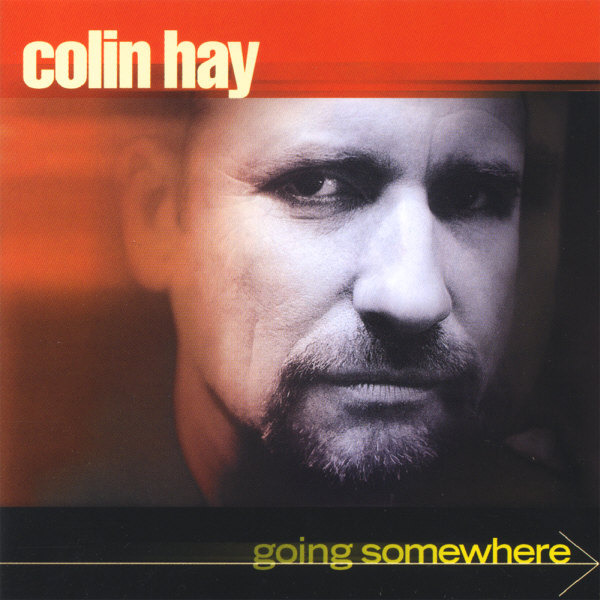
 View Artist