Song Meaning
Colin Hay's "No One Knows" isn't just a song; it's an existential sigh set to music. The weariness is palpable from the opening lines, where Hay sketches a scene of mundane intrusions and spiritual depletion. It's a portrait of a man drowning in the shallows of everyday life, besieged by trivial demands and numbing routines. The 'cheap red wine' becomes a symbol of the diluted experiences that leave him feeling empty, triggering a desire to 'run and hide.' The repeated plea, 'Oh dear Lord, if you could see me now,' isn't necessarily a religious invocation, but a raw expression of vulnerability, a yearning for recognition in a world that seems indifferent.
The core of the song meaning lies in the repeated question: 'How will I know when I find / Love in my heart, peace in my mind?' It's a deceptively simple query that speaks to a deeper longing for inner tranquility and genuine connection. The 'angel town' imagery, juxtaposed with the burning sun and feeling of 'going down,' suggests a disillusionment with idealized versions of reality. Even in paradise, there's a sense of inescapable struggle. He hopes the vine he planted grows, which could reference a relationship, career, or personal goal. The repeated line "I'm asking for signs but no one knows," underscores the theme of uncertainty and the elusiveness of answers.
Ultimately, "No One Knows" confronts the inherent ambiguity of existence. The lines 'Why are we here in this space and time / With only love and fear, I'm not sure which is mine' capture the human condition's fundamental paradox. The song doesn't offer easy answers or platitudes. Instead, Hay acknowledges the mystery and the uncertainty. The concluding declaration – 'This is just a song, and this is how it goes / And as far as I can tell, no one knows' – is both a resignation and an acceptance. It's a reminder that sometimes, the most profound wisdom lies in admitting what we don't know, and finding solace in the shared experience of navigating the unknown.
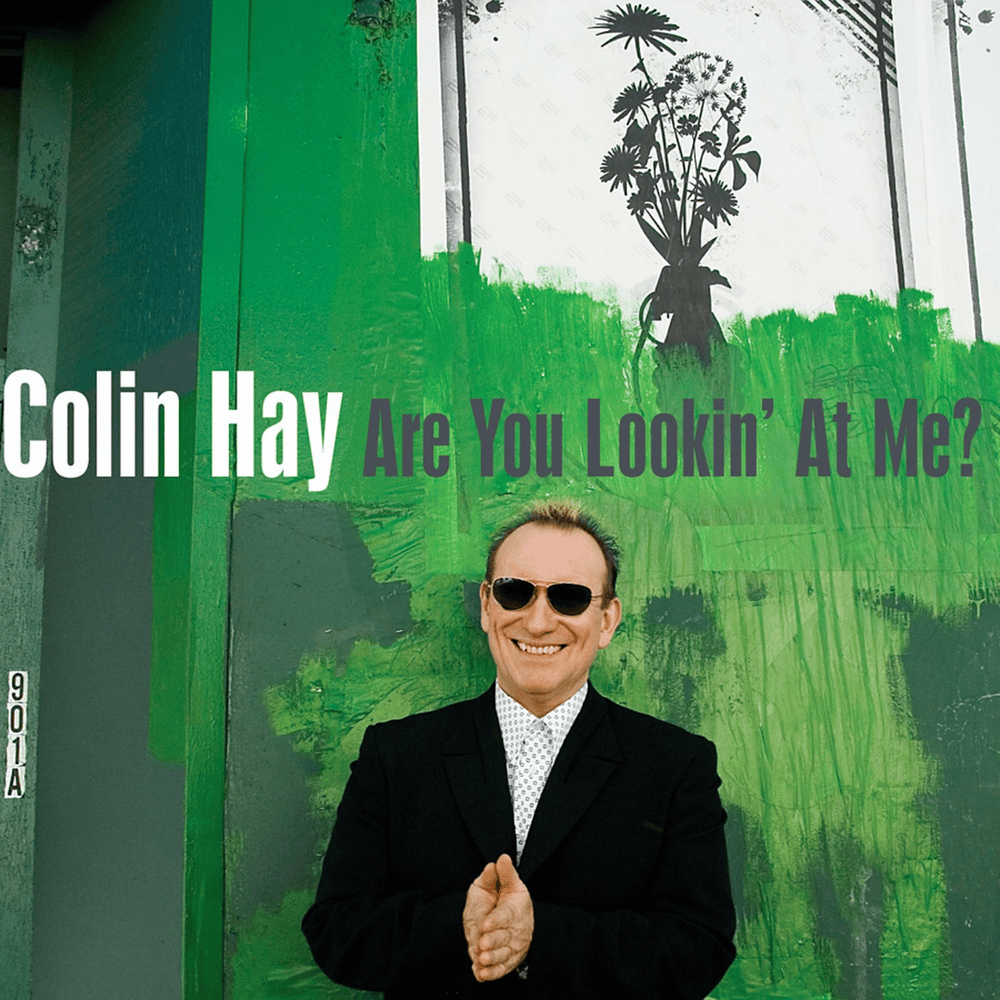
 View Artist