Song Meaning
Colin Hay's "Did You Just Take The Long Way Home?" isn't a geographical question; it's a deeply melancholic inquiry into the state of a fractured connection. The song circles around the lingering absence of a loved one, not with accusatory anger, but with a weary resignation that hints at deeper, possibly irresolvable, issues. The opening lines establish a sense of the narrator's isolation and clarity, 'up here where the air is pure and true,' suggesting a retreat, both physical and emotional, from the noise and confusion of the relationship itself. This elevated vantage point provides perspective, but also underscores the distance growing between them. The 'cleverness of words' failing him suggests a communication breakdown, where articulation is useless in bridging the widening gap.
The recurring question, 'Did you just take the long way home?' operates on multiple levels. Literally, it could imply a simple detour, a temporary delay. Metaphorically, it speaks to avoidance, a conscious decision to prolong the return – or perhaps, to never truly return at all. The 'five ways' and 'wrong turn' imagery reinforces this sense of misdirection and lost paths. The narrator's yearning to 'hear you walk up right behind me' is a poignant expression of hope juxtaposed against the crushing weight of reality. The 'dawn' that 'done me in' symbolizes the harsh light of truth, exposing the vulnerability and the fading possibility of reconciliation.
The core of the song meaning lies in the painful realization of conditional love: 'Could it be that you don't love me / For who I am or what I could be.' This is the crux of the narrator's despair. The fear that love is contingent upon performance or potential, rather than intrinsic worth, is a deeply unsettling revelation. The 'long way down' from this realization is a metaphorical fall into disillusionment. Hay captures the quiet anguish of a love slowly dissolving, not with dramatic outbursts, but with the resigned sigh of someone watching a star fade in the distance. The lyrics analysis reveals a nuanced portrayal of heartbreak, marked by acceptance and the haunting question of whether the other person ever intended to arrive at the shared destination.
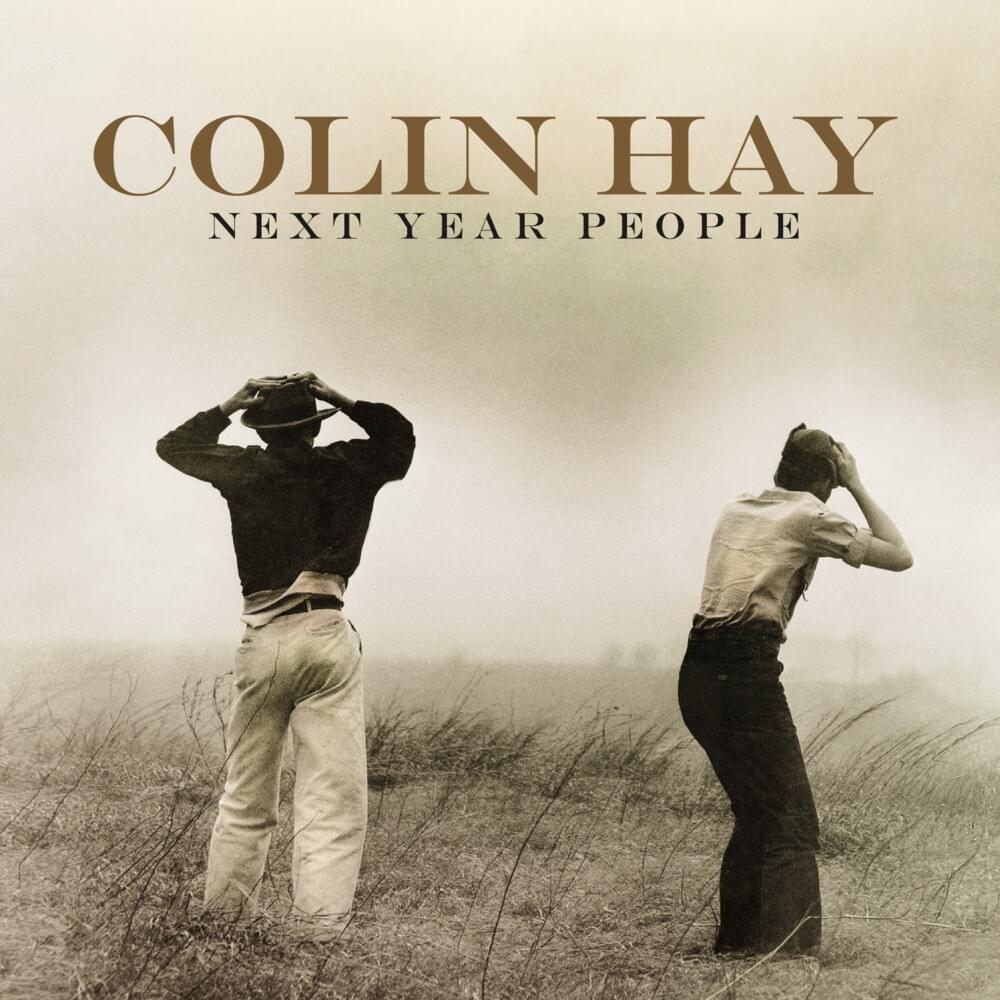
 View Artist