Song Meaning
The narrator opens with a striking self-deprecation, stating she's "not much to look at, nothing to see." This stark honesty immediately sets a tone of humble gratitude, focusing on the sheer luck of being alive and loved. The central assertion, repeated with a gentle cadence, is the possession of a man who is "crazy for me," a phrase that becomes the anchor of her contentment, even as she downplays her own perceived value. This initial framing highlights a core tension: her low self-assessment juxtaposed with an intense, unwavering devotion from another.
The lyrics then delve into a peculiar dynamic of dependency and sacrifice. The narrator admits to financial irresponsibility, "can't save a dollar, ain't worth a cent," yet her partner's love is presented as unconditional, even to the point of extreme self-denial: "he'd live in a tent." This isn't just about affection; it's about a profound, almost self-destructive commitment from him. The narrator acknowledges this, recognizing that he "loves to work and slave for me every day," and even concedes he "would be so much better off if I went away." This thought introduces a complex layer of guilt or perhaps a pragmatic awareness of her own limitations within the relationship.
The most compelling aspect of the writing lies in the narrator's internal conflict and the gentle, almost resigned way she articulates it. She grapples with the idea of leaving, questioning "where can I go," but ultimately concludes that her partner's happiness is inextricably tied to her presence: "He'd be unhappy without me I know." The phrase "He's funny that way" acts as a recurring, understated explanation for his devotion, suggesting a love that defies conventional logic or perhaps even her own understanding. It’s this acceptance of a love that is both baffling and deeply reassuring, despite her own perceived flaws, that gives the lyrics their quiet power.
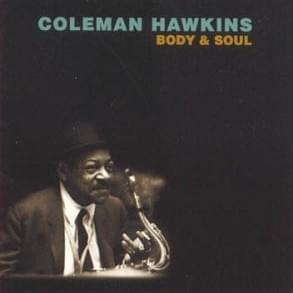
 View Artist